
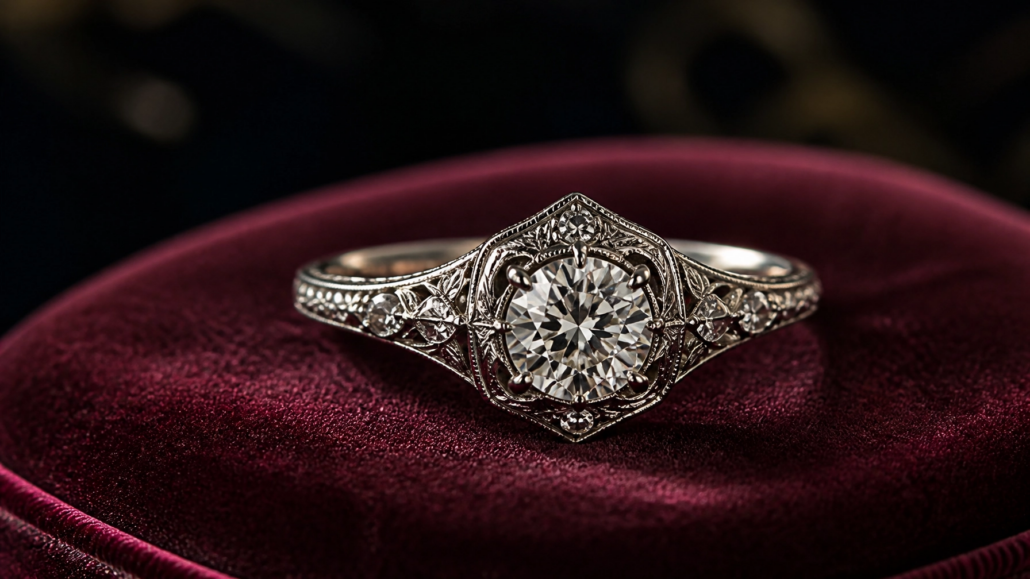
7 Mistakes You’re Making with Vintage Jewelry (And How to Protect Your Heirlooms)
Mistake 1. Utilizing ultrasonic cleaning machines
Do not use ultrasonic cleaners for antique jewelry. These machines generate high-frequency sound waves. Vibrations cause stones to loosen. Vibrations cause metal fatigue. Older settings lack the structural integrity of modern settings. Ultrasonic machines damage Georgian jewelry. Ultrasonic machines damage Victorian jewelry. These machines cause stones to detach from their mountings. Fragile gemstones crack under vibration. Use manual cleaning methods. Use warm water. Use mild soap. Use a soft brush. This process protects estate jewelry Knoxville TN.
Mistake 2. Exposing items to chemical substances
Chemical exposure degrades metal surfaces. Do not wear jewelry during cleaning tasks. Household chemicals contain bleach. Household chemicals contain ammonia. These substances corrode gold. These substances corrode silver. Remove jewelry before swimming in chlorinated pools. Chlorine causes stress corrosion cracking. Remove jewelry before applying perfumes. Remove jewelry before applying hairspray. Chemicals cause discoloration in organic stones. Pearls sustain permanent surface damage. Opals sustain permanent surface damage. Store pieces in a chemical-free environment. This is standard protocol for vintage jewelry Knoxville TN.

Mistake 3. Implementing improper storage techniques
Improper storage leads to physical damage. Do not store multiple pieces in one container. Metal-on-metal contact causes scratches. Stones scratch other stones. Diamonds scratch all other materials. Use individual padded boxes. Use individual silk pouches. Store items in a dry location. Store items in a dark location. Excessive humidity causes metal oxidation. Direct sunlight causes stone fading. Proper storage maintains the condition of antique store Knoxville TN inventory. Individual compartments prevent chain tangling. Individual compartments prevent stone chipping.
Mistake 4. Allowing moisture contact with foiled backings
Georgian era jewelry requires specific moisture controls. Many Georgian pieces utilize foiled settings. Foil backings enhance stone brilliance. Water infiltration destroys foil backings. Moisture causes foil to oxidize. Moisture causes foil to turn black. This damage is permanent. Do not submerge Georgian jewelry in water. Do not submerge Victorian jewelry with closed backs. Use a damp cloth for surface cleaning only. Avoid the use of steam cleaners. Moisture traps behind the stone. Trapped moisture leads to metal rot. Follow antique jewelry care 101 guidelines for moisture prevention.

Mistake 5. Attempting DIY repairs or modern modifications
Do not perform repairs at home. Do not take antique items to modern high-volume jewelers. Modern laser welding uses high heat. High heat damages antique solder. Modern methods destroy historical patina. Resizing must be performed by specialists. Incorrect resizing distorts Art Deco geometry. Incorrect resizing breaks Edwardian filigree. Use only specialists for estate jewelry Knoxville TN. Specialist jewelers use period-accurate techniques. Specialists preserve original markings. Maintain the historical integrity of each piece.
Mistake 6. Neglecting regular technical inspections
Jewelry requires periodic technical evaluation. Inspect prongs every six months. Inspect clasps every six months. Metal wears down over time. Thin prongs cause stone loss. Loose hinges lead to mechanical failure. Identify issues before total failure occurs. Use a jeweler’s loupe for inspection. Check for stone movement. Check for metal cracks. Blair House Antiques provides professional assessment services. Regular maintenance extends the life of heirlooms. Early detection reduces repair costs.

Mistake 7. Failing to identify historical eras accurately
Knowledge of jewelry eras informs care requirements. Incorrect identification leads to incorrect maintenance.
- Georgian Era (1714–1837): Items feature hand-wrought metal. Items feature closed-back settings. These require no water contact.
- Victorian Era (1837–1901): Items feature sentimental motifs. Items feature seed pearls. These require non-abrasive cleaning.
- Edwardian Era (1901–1915): Items feature platinum filigree. Items feature milgrain detail. These require protection from physical impact.
- Art Deco Era (1920s–1930s): Items feature geometric shapes. Items feature calibre-cut stones. These require inspection for stone alignment.
Consult the ultimate guide to estate jewelry Knoxville TN for era identification.
Technical care requirements for specific materials
- Sterling Silver: Silver oxidizes when exposed to air. Use silver polishing cloths. Do not use liquid silver dips. Dips remove intentional oxidation in designs.
- Antique Gold: Gold alloys vary by era. Low-karat gold reacts to chemicals. High-karat gold is soft. Avoid abrasive scrubbing.
- Organic Materials: Pearls require frequent wear. Skin oils maintain pearl moisture. Wipe pearls after use. Do not store pearls in plastic bags.
- Soft Gemstones: Opals contain water. Extreme heat causes opals to crack. Cold air causes opals to crack. Maintain stable temperatures.

Procurement and maintenance in Knoxville
Visit Blair House Antiques for expert curation. The store is located in a historic 1920s building. Staff identify items from Georgian to Art Deco eras. Staff provide maintenance advice for all purchases. This antique store Knoxville TN offers specialized inventory. Inventory includes antique diamonds. Inventory includes gemstone jewelry. Proper identification ensures proper protection. Avoid common maintenance mistakes. Follow established technical protocols. Preserve historical assets for future use.
Summary of technical protocols
- Inspect items every six months.
- Store items in individual padded containers.
- Clean items with warm water and mild soap only.
- Dry items thoroughly after cleaning.
- Remove items before chemical exposure.
- Remove items before physical activity.
- Consult specialists for all repair tasks.
- Verify historical era before applying cleaning methods.
- Refer to Blair House Antiques resources for further instructions.

