Antique Collecting 101: A Beginner’s Guide to Mastering Rare Finds at the Best Antique Stores in Knoxville TN

Knoxville, Tennessee, serves as a premier destination for collectors seeking items of historical significance and aesthetic beauty. For those beginning a journey into the world of antiquing, the process requires a combination of technical knowledge, historical context, and a discerning eye. Whether searching for a statement piece of furniture or an exquisite piece of estate jewelry knoxville tn offers a rich landscape of opportunities for the novice and the expert alike.

The Definition of an Antique

To master the art of collecting, one must first establish the technical parameters of the trade. In the industry, an "antique" is strictly defined as an object that is at least 100 years old. This chronological benchmark distinguishes true antiques from "vintage" items, which typically range from 20 to 99 years of age. Understanding this distinction is vital when navigating an antique store knoxville tn to ensure that investments align with the collector's goals of longevity and historical preservation.

The Allure of Historical Eras in Jewelry

One of the most rewarding sectors of antique collecting is fine jewelry. These pieces are not merely accessories but are artifacts of the social and technological shifts of their time. For those interested in vintage jewelry knoxville tn is home to curated collections that span several distinct design movements.

The Georgian Era (1714–1837)

Georgian jewelry is characterized by its handcrafted nature. Before the Industrial Revolution, every component was meticulously forged by hand. Collectors should look for "paste" stones: hand-cut leaded glass: and "foil-backed" settings designed to enhance the brilliance of gemstones under candlelight. These pieces are increasingly rare and represent a significant find for any beginner.

The Victorian Era (1837–1901)

Named for Queen Victoria, this era is divided into the Romantic, Grand, and Aesthetic periods. Common motifs include hearts, serpents (representing eternal love), and intricate floral designs. The Victorian era also popularized "mourning jewelry," often utilizing jet or onyx. Finding high-quality Victorian pieces at an antique store requires an understanding of gold-fill techniques and early hallmark systems.

The Edwardian Era (1901–1915)

The Edwardian period saw the introduction of platinum in jewelry design. This allowed for incredibly delicate, "lace-like" filigree work. This era is synonymous with elegance and the use of diamonds and pearls. The strength of platinum permitted jewelers to use less metal to hold stones, creating a light, ethereal aesthetic often described as "garland style."

The Art Deco Era (1920–1935)

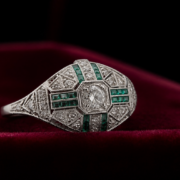
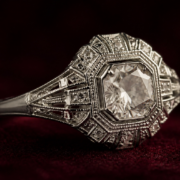
Art Deco remains one of the most sought-after styles for modern collectors. It is defined by geometric precision, bold colors, and a break from the flowing lines of the previous Art Nouveau movement. Look for symmetrical patterns, calibre-cut stones, and the use of white gold and platinum. The structural integrity and timeless modernity of Art Deco pieces make them excellent entry points for new collectors.

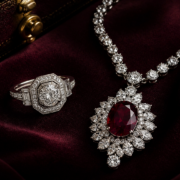
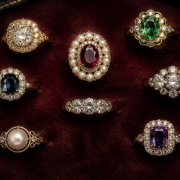
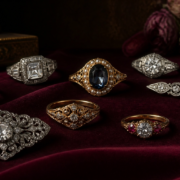
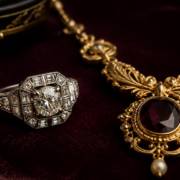
![Close-up of Art Deco and Victorian antique jewelry on maroon velvet at a Knoxville estate jewelry shop.]

Identifying Quality and Authenticity

A critical skill for any collector is the ability to identify authentic hallmarks and maker's marks. These stamps, often found on the interior of rings or the clasps of necklaces, indicate the metal purity and the origin of the piece. When examining diamond jewelry, look for older cutting styles such as the "Old Mine Cut" or "European Cut," which feature larger facets and different proportions than modern brilliant cuts.

In addition to jewelry, collectors should evaluate furniture and collectibles based on construction methods. In antiques, dovetail joints should be slightly irregular, indicating they were hand-cut rather than machine-manufactured. Signs of age: known as "patina": should be consistent with the object's intended use. A piece that looks too perfect may have been heavily restored or could be a modern reproduction.

Expert Curation at Blair House Antiques

The environment in which you shop significantly impacts your success as a collector. Blair House Antiques prides itself on providing an atmosphere of refined elegance and expert curation. Unlike large, unvetted malls, a specialized antique store knoxville tn ensures that every item has been evaluated for its authenticity and condition.

The expertise of the staff is a primary resource for the beginner. Engaging with specialists allows you to learn the history of specific pieces, such as the provenance of sterling silver collections or the rarity of specific gemstone settings. This level of service transforms a simple purchase into an educational experience.

![Elegant interior of a curated antique store in Knoxville TN featuring fine furniture and vintage collectibles.]

Proper Care and Maintenance of Antiques

Once a rare find has been acquired, the responsibility shifts to preservation. Antique items, particularly jewelry, require specific maintenance protocols to ensure they remain in pristine condition for future generations.

  1. Jewelry Cleaning: Never use harsh chemicals or ultrasonic cleaners on antique pieces, especially those with porous stones like opals or emeralds. A soft-bristled brush and lukewarm, mild soapy water are generally sufficient for hard stones like diamonds and sapphires.
  2. Storage: Store antique items separately to prevent scratching. Metals of different hardness can easily damage one another. Soft cloth pouches or silk-lined boxes are ideal.
  3. Environmental Factors: Extreme temperatures and high humidity can damage wood patinas and cause certain metals to tarnish more rapidly. Maintain a stable indoor environment for your collection.
  4. Professional Inspections: For high-value estate jewelry knoxville tn collectors should have their pieces inspected by a professional annually to ensure that prongs are secure and stones are not at risk of falling out.

Tips for Navigating Knoxville’s Best Antique Stores

Knoxville offers a unique market for collectors, blending Southern history with a broad range of European and American imports. To maximize your visits, consider the following strategies:

  • Visit Frequently: Inventory at the highest quality shops changes regularly. Establishing a relationship with the proprietor can often result in being notified when new items of interest arrive.
  • Focus Your Collection: Beginners often find success by focusing on a specific era or type of object. Whether it is Art Deco rings or 19th-century porcelain, specialized knowledge develops more quickly when your focus is narrowed.
  • Verify Documentation: When purchasing high-end items, ask for any available documentation or history. While not every antique has a recorded "pedigree," any information regarding its origin adds value.

Conclusion: The Journey of the Collector

Mastering the find is a lifelong pursuit that balances technical study with the thrill of discovery. By focusing on the historical significance of eras like the Victorian or Art Deco periods and utilizing the expert curation found at Blair House Antiques, you can build a collection that is both a financial investment and a personal legacy. Knoxville's antique community is welcoming and rich with history, making it the perfect place to start your journey into the world of rare finds.

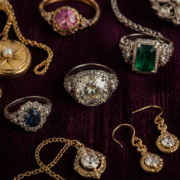
![Rare vintage jewelry finds including a sterling silver pocket watch and Art Nouveau brooch in Knoxville TN.]

For more information on current inventory and historical insights, explore our post-sitemap or visit us in person to experience the finest selection of antiques in the region.

Estate Jewelry 101: A Beginner’s Guide to Mastering the Art Deco and Victorian Eras

For many enthusiasts, the world of fine jewelry is more than just an appreciation for sparkle: it is a journey through history. When you step into a premier antique store knoxville tn, you aren't just looking at accessories; you are looking at artifacts of human emotion, craftsmanship, and cultural shifts. Estate jewelry, which refers to any piece that has been previously owned, offers a depth and character that modern mass-produced pieces simply cannot replicate.

Among the various periods that collectors adore, the Victorian and Art Deco eras stand out as the most influential and distinct. Whether you are looking to start your collection or find a unique gift, understanding the nuances of these two periods is essential. At Blair House Antiques, we take pride in being the leading destination for estate jewelry knoxville tn, offering a curated selection that celebrates the artistry of the past.

Understanding the Victorian Era (1837–1901)

The Victorian era, named after the long reign of Queen Victoria, spans over sixty years of rapid change. This period was deeply influenced by the Queen’s own life, her loves, and her losses. Because the era lasted so long, it is traditionally divided into three distinct sub-periods, each with its own aesthetic and emotional tone.

The Romantic Period (1837–1860)

The early years of Victoria’s reign were characterized by her youthful love for Prince Albert. Jewelry from this time is exceptionally sentimental. Common motifs included hearts, bows, and flowers. Perhaps the most famous symbol of this period is the snake. When Prince Albert proposed to Victoria with a ring shaped like a serpent with an emerald-set head, it sparked a massive trend. In the Victorian context, the snake represented eternal love and wisdom.

During this time, gold was still relatively rare and expensive. Jewelers became masters of "repoussé," a technique of hammering metal into intricate patterns from the reverse side to create a voluminous look using very little gold.

The Grand Period (1861–1885)

Following the death of Prince Albert in 1861, Queen Victoria went into a period of deep mourning that lasted the rest of her life. This shifted the fashion of the entire Western world toward "mourning jewelry." Pieces became bolder, heavier, and darker. Materials like jet (fossilized coal), onyx, and black enamel became standard.

However, this period also saw the "Grand" style emerge, influenced by archaeological discoveries in Egypt and Greece. Revivalist jewelry: styles that mimicked ancient goldsmithing: became popular among the upper classes. You will often find heavy gold lockets and Etruscan-style granulation in pieces from this era.

The Aesthetic Period (1885–1901)

As the century came to a close, jewelry moved away from the heavy, somber tones of mourning. The Aesthetic period favored "art for art's sake." Pieces became smaller, lighter, and more whimsical. This was the era of the "lavalier" necklace and the rise of the diamond, following the discovery of mines in South Africa. Butterflies, dragonflies, and stars were common motifs, often rendered in delicate gold or silver settings.

Victorian Era Craftsmanship

The Art Deco Era (1920–1935): A Modern Revolution

If the Victorian era was about sentiment and tradition, the Art Deco era was about the future. Emerging after the end of World War I, the Art Deco movement reflected a world that was moving faster than ever before. It was the age of the machine, the skyscraper, and the jazz club.

Geometry and Symmetry

The most defining characteristic of Art Deco jewelry is its commitment to geometry. Moving away from the flowing, organic lines of the earlier Art Nouveau period, Art Deco designers embraced sharp angles, triangles, and circles. Symmetry was paramount. If you find a piece of vintage jewelry knoxville tn that looks like it was inspired by a blueprint or a modern building, it is likely an Art Deco treasure.

The Reign of Platinum and White Gold

During the 1920s, platinum became the metal of choice. Its strength allowed jewelers to use less metal to hold stones, leading to the creation of "filigree": intricate, lace-like metalwork that remains one of the most sought-after features for modern brides looking for unique engagement rings. When platinum became too expensive or was restricted for military use, white gold was developed as a more affordable alternative, maintaining that "cool" silver-toned aesthetic that defined the era.

Bold Contrasts and New Cuts

Art Deco was not afraid of color. Designers frequently paired diamonds with bold, calibrated-cut gemstones like emeralds, sapphires, and rubies. They also utilized onyx and coral to create striking black-and-red or black-and-white contrasts. This period also saw the development of new gemstone cuts, such as the baguette, emerald, and Asscher cuts, which emphasized the clarity and linear beauty of the stone rather than just its sparkle.

Art Deco Diamond Symmetry

Comparing the Eras: At a Glance

Feature Victorian Era (1837–1901) Art Deco Era (1920–1935)
Primary Metal Yellow Gold, Silver-topped Gold Platinum, White Gold
Common Motifs Snakes, Flowers, Hearts, Mourning symbols Geometric shapes, Sunbursts, Pyramids
Aesthetic Romantic, Ornate, Symbolic Streamlined, Architectural, Symmetrical
Gemstone Focus Pearls, Old Mine Cut Diamonds, Turquoise Diamonds, Emeralds, Sapphires, Onyx
Crafting Style Repoussé, Cannetille, Hand-carved cameos Filigree, Milgrain, Calibre-cut stones

Victorian gold locket and Art Deco diamond bracelet highlighting two eras of vintage jewelry Knoxville TN.

Tips for the Aspiring Collector in Knoxville

Starting a collection of estate jewelry knoxville tn can feel overwhelming, but keeping a few expert tips in mind will help you shop with confidence.

  1. Look for Hallmarks: Antique jewelry often contains small stamps (hallmarks) that indicate the purity of the metal or the maker’s mark. While some Victorian pieces are unmarked, many Art Deco pieces will have "PLAT" or "18K" stamps.
  2. Inspect the Craftsmanship: Authentic antique jewelry was made by hand. Look for "milgrain": the tiny beaded edges on metal: and fine filigree. If the detail looks "mushy" or cast from a mold, it may be a modern reproduction rather than a true vintage piece.
  3. Check for Condition: While a certain amount of "patina" is expected, ensure that stones are secure and that hinges or clasps work correctly. At Blair House Antiques, our curated collection is vetted for quality and historical integrity.
  4. Buy What You Love: Trends come and go, but a Victorian locket or an Art Deco brooch is a timeless investment. Choose pieces that speak to your personal style.

Care and Maintenance of Your Estate Jewelry

Owning a piece of history comes with the responsibility of preservation. Antique jewelry is often more delicate than modern pieces and requires specific care to maintain its brilliance.

  • Avoid Chemicals: Never use harsh household cleaners or ultrasonic cleaners on antique jewelry. Many Victorian stones, like pearls, opals, and emeralds, are porous or fragile and can be permanently damaged by chemicals or vibrations.
  • Storage Matters: Store your pieces in separate soft pouches to prevent them from scratching each other. Diamonds, being the hardest material, can easily scratch gold or softer gemstones.
  • Professional Check-ups: We recommend having your estate pieces inspected by a professional jeweler at least once a year. This ensures that prongs haven't worn down and that stones aren't at risk of falling out.

If you are looking for professional guidance on care or seeking a new addition to your collection, visiting an established antique store knoxville tn like Blair House Antiques is the best way to ensure your treasures last for generations to back.

Art Deco emerald ring and Victorian pearl brooch being inspected at a Knoxville TN antique store.

Why Choose Blair House Antiques?

At Blair House Antiques, we believe that every piece of jewelry has a story to tell. Our passion for the Victorian and Art Deco eras is reflected in our meticulously curated showroom. We invite you to explore the elegance of the past and find a piece that resonates with your unique spirit.

Whether you are a seasoned collector or a beginner just starting your journey, our experts are here to guide you through the fascinating world of vintage jewelry knoxville tn. From the romantic gold of the 19th century to the daring platinum designs of the Roaring Twenties, the perfect heirloom is waiting for you.

Visit our online gallery or stop by our Knoxville location today to experience the timeless beauty of estate jewelry in person.


Blair House Antiques: Knoxville’s premier destination for fine antiques, sterling silver, and exquisite estate jewelry.

Knoxville Antique Malls Vs. Curated Stores: Which Is Better For Finding Your Next Heirloom?

For those with a passion for history and an eye for design, Knoxville, Tennessee, offers a rich landscape of treasures. Whether you are a seasoned collector or a first-time buyer looking for a meaningful gift, the city provides two distinct shopping experiences: the sprawling, multi-vendor antique malls and the refined, curated environment of specialized shops like Blair House Antiques.

The search for a true heirloom: a piece of history intended to be passed down through generations: requires more than just a casual stroll through a warehouse. It demands an understanding of provenance, quality, and the intrinsic value of the items on display. While knoxville antique malls offer a sense of adventure, there are significant differences in how one sources high-quality items, particularly when searching for fine estate jewelry knoxville tn.

The Antique Mall Landscape: A Quest for Discovery

Knoxville is home to several impressive antique malls, some spanning tens of thousands of square feet. Places like the Bearden Antique Mall or the expansive Bargain Hunters provide a "treasure hunt" atmosphere. These venues are characterized by hundreds of individual booths, each managed by different vendors with varying levels of expertise and aesthetic tastes.

In these large malls, the inventory is vast. You might find a mid-century modern lamp in one booth and a rustic farm table in the next. For the hobbyist who enjoys spending hours sifting through eclectic collections, the mall experience is unparalleled. However, the sheer volume of items can be overwhelming when you are looking for something specific, such as investment-grade vintage jewelry knoxville tn.

The challenge with the mall model is consistency. Because the inventory is not curated by a single expert eye, the quality can fluctuate wildly from one booth to the next. Finding a rare sapphire ring or a genuine Victorian brooch often requires a "diamond in the rough" mentality, where the buyer must have the expertise to verify the authenticity of a piece without a central authority to guide them.

Elegant 1920s interior at Blair House Antiques, a curated choice over large Knoxville antique malls.

The Curated Difference: Elevating the Experience at Blair House Antiques

In contrast to the high-energy, high-volume environment of a mall, Blair House Antiques offers a focused and sophisticated alternative. Located in a stunning, historic 1920s building, the atmosphere here is one of quiet elegance and intentionality. Every item within our walls has been hand-selected for its beauty, historical significance, and craftsmanship.

At a curated antique store knoxville tn, the shopping experience is transformed from a "hunt" into an "education." When you step into Blair House Antiques, you are not just browsing booths; you are entering a gallery where every piece has a story. Our curation process ensures that visitors are presented with the finest examples of 18th and 19th-century furniture, fine art, and rare collectibles.

The historic setting of our building provides the perfect backdrop for these items. Seeing a period-correct sideboard or a glistening chandelier in a space that shares its architectural heritage allows collectors to visualize how these pieces will fit into their own homes. This cohesive environment is something that a standard mall stall simply cannot replicate.

Why Curation Matters for Heirloom Jewelry

The distinction between malls and curated stores is perhaps most evident when shopping for jewelry. Heirlooms, by definition, must stand the test of time. Finding a piece that is both structurally sound and aesthetically timeless requires expert vetting.

At Blair House Antiques, we specialize in estate jewelry knoxville tn. Unlike a mall environment where jewelry might be mixed in with general collectibles, our collection is curated with a focus on high-end gemstones and precious metals. When you are looking for rare estate jewelry, the peace of mind that comes from a trusted source is invaluable.

Art Deco ruby ring and estate jewelry Knoxville TN, a premier source for vintage jewelry.

The Brilliance of Antique Diamonds and Gemstones

Our selection at Blair House Antiques focuses on the exceptional. We take pride in sourcing:

  • Antique Diamond Jewelry: From Old Mine cuts to Art Deco geometries, these pieces offer a fire and character that modern mass-produced jewelry lacks.
  • Exquisite Rubies and Sapphires: We look for deep saturations and historical settings that highlight the natural beauty of these stones.
  • Fine Estate Pieces: Our collection ranges from the romanticism of the Victorian era to the bold statements of the mid-20th century.

When you shop for vintage jewelry knoxville tn at Blair House Antiques, you benefit from our commitment to quality. We understand the nuances of hallmark identification, gemstone grading, and period-specific construction. This expertise ensures that the piece you choose is not only a beautiful accessory but a legitimate heirloom. For those new to this world, we recommend exploring our guide on 10 things you should know before your first purchase.

Reliability and Trust: Beyond the Booth

One of the primary advantages of a curated store like Blair House Antiques over a mall is the relationship between the proprietor and the client. In a mall, you may never meet the person who sourced the item you are buying. At Blair House Antiques, we are here to answer questions, share the history of a piece, and provide the provenance that makes an antique truly special.

For collectors of sterling silver, this relationship is crucial. Verifying makers' marks and ensuring the weight and purity of silver requires a level of scrutiny that is our standard practice. Whether it is a full tea service or a set of exquisite flatware, our sterling silver collection represents the pinnacle of craftsmanship.

Navigating Your Selection: Which Path is Right for You?

If your goal is to spend an afternoon exploring a wide variety of items with no specific target in mind, the many knoxville antique malls are a wonderful resource. They are part of what makes the local community so vibrant.

However, if you are looking for an investment-grade piece, a specific style of estate jewelry knoxville tn, or a centerpiece for your home that carries the weight of history, a curated experience is superior. Blair House Antiques serves as a sanctuary for those who value quality over quantity.

Victorian sterling silver tea service, a fine heirloom piece at our antique store Knoxville TN.

The process of finding an heirloom should be as memorable as the item itself. Shopping in our historic 1920s building allows you to slow down and appreciate the details: the patina on a mahogany table, the intricate milgrain on a vintage ring, or the resonance of a fine sterling holloware piece.

Final Thoughts on Your Antique Journey

Choosing between a mall and a curated shop ultimately depends on what you value most in your shopping experience. For those who prioritize expert curation, authenticated quality, and a sophisticated atmosphere, Blair House Antiques stands as the premier antique store knoxville tn.

We invite you to visit us and experience the difference that intentional curation makes. Whether you are adding to a growing collection of vintage gems or seeking your very first heirloom, we are here to help you find a piece that you will treasure for a lifetime.

Explore our latest blog posts to stay updated on our new arrivals and to learn more about the fascinating world of fine antiques and estate jewelry. At Blair House Antiques, we don't just sell items; we preserve history.

The Collector’s Guide to Rare Jewelry Eras at Our Knoxville Antique Store

Collecting antique and estate jewelry is more than a pursuit of aesthetic beauty; it is a journey through the annals of history, craftsmanship, and human emotion. At Blair House Antiques, we recognize that every piece of jewelry tells a story, reflecting the social and cultural shifts of its time. For enthusiasts and seasoned collectors alike, understanding the nuances of different jewelry eras is essential for building a collection of lasting value and significance.

As the premier antique store in Knoxville, TN, we curate a selection of pieces that represent the pinnacle of design from the Georgian era through the bold Art Deco period. This guide serves as a technical and historical roadmap for navigating the world of rare estate jewelry in Knoxville, TN.

The Georgian Era (1714–1837): Rare Artistry

The Georgian era is characterized by its longevity and the extreme rarity of its surviving pieces. Spanning the reigns of four British kings named George, this period produced jewelry that was entirely handcrafted, as mass production did not yet exist.

For the serious collector of vintage jewelry in Knoxville, TN, Georgian pieces represent the ultimate find. Most jewelry from this period was dismantled and redesigned to suit later fashions, making original, intact pieces highly sought after.

Technical Characteristics of Georgian Jewelry

Georgian jewelry often utilizes 18k gold or higher, frequently paired with silver-topped gold settings. This technique was employed because platinum had not yet been mastered for jewelry use, and silver was believed to best showcase the brilliance of diamonds.

Key features to identify include:

  • Stone Cuts: Rose cut and old mine cut diamonds are standard. These stones possess fewer facets than modern brilliant cuts, offering a softer, candlelit glow.
  • Enclosed Backs: Stones were typically set with closed backs.
  • Foil Backing: To enhance the color and sparkle of gemstones in low-light environments, jewelers often placed thin sheets of colored or silver foil behind the stones.
  • Motifs: Common themes include intricate flora, fauna, bows, and feathery scrolls.

If you are searching for these rare treasures, our collection of antique jewelry frequently includes pieces that embody this refined, early craftsmanship.

Antique Georgian ring with an old mine cut diamond from a premier Knoxville antique store.

The Victorian Era (1837–1901): A Three-Part Legacy

The Victorian era is perhaps the most diverse period in the history of estate jewelry in Knoxville, TN. Named for Queen Victoria, whose personal tastes dictated global trends for over sixty years, this era is divided into three distinct periods: the Romantic, the Grand, and the Aesthetic.

The Romantic Period (1837–1860)

This period reflects the early years of Victoria’s marriage to Prince Albert. The jewelry is characterized by themes of love, nature, and sentimentality.

  • Gold and Serpents: The snake was a popular motif, symbolizing eternal love after Albert gifted Victoria a snake engagement ring.
  • Materials: Yellow gold was dominant, often accented with seed pearls, turquoise, and coral.

The Grand or Mourning Period (1860–1885)

Following the death of Prince Albert, the jewelry world shifted toward more somber, "mourning" designs. This period is a fascinating area for collectors of gemstone jewelry.

  • Dark Materials: Jet, onyx, and deep red garnets became prevalent.
  • Mourning Jewelry: Pieces often incorporated the hair of a deceased loved one or featured "memento mori" symbols.

The Aesthetic Period (1885–1901)

As the strict rules of mourning relaxed, jewelry became lighter and more feminine. This period saw a return to whimsical motifs like butterflies and dragonflies, with a focus on smaller, more wearable pieces.

The Edwardian Era (1901–1915): Grace and Platinum

The Edwardian era, often referred to as the "Belle Époque," was a time of luxury and elegance. This period marked the first widespread use of platinum in jewelry, allowing for incredibly delicate, lace-like designs that were previously impossible with softer metals.

Collectors seeking diamond jewelry often gravitate toward this era. The "white-on-white" look: diamonds set in platinum: became the hallmark of Edwardian sophistication.

  • Filigree Work: The use of platinum allowed for intricate "milgraining" and filigree that mimicked the appearance of lace.
  • Garland Style: Designs often featured wreaths, ribbons, and tassels.
  • Pearls and Diamonds: The combination of fine pearls and diamonds created a look of regal restraint.

Elegant Edwardian platinum and diamond pendant, a highlight of estate jewelry Knoxville TN.

The Art Deco Era (1920–1935): Geometric Precision

The Art Deco period represents a radical departure from the flowing lines of the previous centuries. Influenced by the machine age and the discovery of King Tutankhamun’s tomb, Art Deco jewelry is bold, geometric, and symmetrical.

For those looking for high-impact estate jewelry in Knoxville, TN, Art Deco remains the most popular era for modern collectors.

Distinctive Art Deco Features

  • Geometric Symmetry: Clean lines, triangles, and chevrons replaced the organic curves of the past.
  • Bold Color Contrasts: High-contrast combinations like rubies and onyx, or emeralds and diamonds, were common.
  • Calibré Cut Stones: This technique involved custom-cutting small gemstones (sapphires, rubies, or emeralds) to fit perfectly into a geometric channel or design.
  • Industrial Metals: Platinum remained the metal of choice, but white gold became a more accessible alternative.

Art Deco pieces are not just ornaments; they are architectural masterpieces in miniature. To learn more about identifying these gems, see our guide on how to find gems for your collection.

Art Deco emerald and onyx geometric ring, a stunning example of vintage jewelry Knoxville TN.

Tips for Collectors in Knoxville

Navigating an antique store in Knoxville, TN, requires a discerning eye. Whether you are a novice or an expert, these tips will help ensure your acquisition is authentic and of high quality.

1. Look for Hallmarks

Hallmarks are small stamps found on the interior of rings or on the clasps of necklaces. These marks indicate the metal purity (such as 14k, 18k, or PT950) and can often identify the manufacturer or the city of origin. Authentic hallmarks are a primary tool for dating a piece.

2. Examine the Construction

Hand-fabricated pieces from the Georgian and Victorian eras will show slight irregularities that modern, cast jewelry lacks. Use a jeweler’s loupe to check for signs of hand-tooling and the specific types of stone cuts.

3. Verify the Provenance

At Blair House Antiques, we pride ourselves on our expert curation. When purchasing antiques, always ask about the history and origin of the piece. Expert collectors evaluate items based on both material value and historical significance.

Expert curator evaluating rare estate jewelry with a loupe at an antique store in Knoxville.

Proper Care and Maintenance

Antique jewelry requires specialized care to maintain its structural integrity and beauty. Because many historical pieces utilize unique chemical properties or delicate settings, standard cleaning methods can be damaging.

  • Foil-Backed Stones: Never submerge Georgian or early Victorian jewelry in water. If moisture gets behind the stone, it can ruin the foil backing, causing the stone to appear dull or dark.
  • Soft Gemstones: Opals, pearls, and turquoise are porous. Avoid exposing them to harsh chemicals, perfumes, or hairsprays.
  • Professional Inspections: We recommend having your vintage jewelry in Knoxville, TN, inspected annually. At Blair House Antiques, we can help identify loose stones or worn prongs before they lead to the loss of a precious gem.
  • Storage: Store pieces individually in soft pouches to prevent harder stones (like diamonds) from scratching softer metals or gems.

The Blair House Antiques Experience

Located in the heart of Knoxville’s upscale Bearden district, Blair House Antiques offers an environment of formal elegance. Our store is more than a retail space; it is a destination for those who appreciate the finer things in life, from sterling silver to chandeliers.

Our expert staff is dedicated to the study and preservation of history. We invite you to visit our showroom to experience the tactile beauty of our curated antique collectibles. Whether you are looking for a rare Art Deco engagement ring or a Victorian mourning brooch, our collection is meticulously vetted for quality and authenticity.

Finding the perfect piece of estate jewelry in Knoxville, TN, is a rewarding endeavor. By understanding the characteristics of the Georgian, Victorian, Edwardian, and Art Deco eras, you can build a collection that serves as both a personal treasure and a sound historical investment.

For more information on our current inventory or to speak with one of our experts, visit our locations page or browse our blog for further insights into the world of fine antiques.

The Ultimate Guide to Estate Jewelry Knoxville TN: Caring for Victorian to Art Deco Treasures

Estate jewelry Knoxville TN collections represent historical periods of design and metallurgy. These items originate from specific eras including Georgian, Victorian, Edwardian, and Art Deco. Owners of vintage jewelry Knoxville TN must understand the technical requirements for preservation. Historical pieces possess unique chemical and physical properties. Proper maintenance ensures the structural integrity of these assets.

Georgian Era Jewelry Specifications (1714–1837)

Georgian jewelry dates from 1714 to 1837. Manufacturers utilized 18-karat gold and silver. Silver settings often feature gold backings. This technique prevents metal oxidation from staining clothing. Hand-hammered metals are standard for this period.

Closed-back settings define Georgian era construction. Jewelers placed metal foil behind gemstones. The foil increases light reflection. Moisture causes foil degradation. Water contact creates permanent discoloration. Owners must avoid liquid immersion. Use dry microfiber cloths for surface debris removal.

Historical items from this era require climate-controlled environments. High humidity levels damage foil-backed stones. Inspect settings for metal fatigue. Georgian pieces utilize delicate hinges and clasps. Regular mechanical evaluations prevent gemstone loss.

Georgian era gold ring with foil-backed gemstone, a rare estate jewelry find in Knoxville.

Victorian Era Jewelry Specifications (1837–1901)

Victorian jewelry spans the reign of Queen Victoria from 1837 to 1901. This era contains three distinct sub-periods. These are the Romantic, Grand, and Aesthetic periods.

The Romantic Period (1837–1861) features yellow gold. Common motifs include botanical and zoological forms. Serpent designs represent eternal love. The Grand Period (1861–1880) involves mourning jewelry. Materials include jet, onyx, and black enamel. The Aesthetic Period (1880–1901) utilizes smaller scales. Diamonds and feminine designs characterize this sub-period.

Owners can view authentic examples of these styles at an antique store Knoxville TN. Victorian jewelry often features complex engravings. These recesses collect particulate matter. Use a soft-bristled brush for cleaning. Apply minimal pressure. Excessive force damages gold surfaces.

Edwardian Era Jewelry Specifications (1901–1915)

The Edwardian era covers 1901 to 1915. This period marks the introduction of platinum in jewelry manufacturing. Platinum allows for intricate filigree work. Designs emphasize lightness and lace-like patterns.

Common gemstones include pearls and diamonds. Diamonds often feature "Old European" or "Rose" cuts. You can examine diamond cut variations in our diamond jewelry gallery. Platinum is a durable transition metal. It resists tarnish and corrosion. However, the delicate filigree is susceptible to mechanical stress.

Pearls require specific care protocols. They are organic gems with a Mohs hardness of 2.5 to 4.5. Acidic substances damage pearl nacre. Do not apply perfumes or hairsprays while wearing pearls. Clean pearls with a damp, lint-free cloth. Store pearls separately from harder gemstones to prevent surface scratching.

Elegant Edwardian platinum brooch with pearls, highlighting vintage jewelry Knoxville styles.

Art Deco Era Jewelry Specifications (1920–1935)

Art Deco jewelry originated between 1920 and 1935. This period emphasizes geometric symmetry and industrial influence. Manufacturers used platinum and white gold.

Gemstone choices include emeralds, sapphires, rubies, and onyx. Designers utilized calibré cut stones. These stones fit precisely into geometric channels. Art Deco pieces are popular as estate jewelry Knoxville TN assets.

Maintenance of Art Deco jewelry requires prong inspections. Symmetrical layouts depend on every stone remaining in position. Emeralds in Art Deco settings are fragile. They often contain natural inclusions called "jardin." These inclusions make emeralds sensitive to temperature changes. Do not use ultrasonic cleaners for emeralds. Vibrations cause stone fractures.

Metal Maintenance Protocols

Estate jewelry Knoxville TN utilizes various metals. Each metal reacts differently to environmental factors.

Sterling Silver

Sterling silver contains 92.5 percent silver and 7.5 percent other metals. It oxidizes when exposed to sulfur in the air. Tarnish appears as dark surface film. Use specialized polishing cloths for silver. Avoid chemical dips for antique silver. Dips remove intentional oxidation in recessed designs. View sterling jewelry examples for reference.

Gold

Antique gold varies in purity. Common alloys include 9k, 10k, 14k, and 18k. Lower karat gold is harder. Higher karat gold is softer and more yellow. Gold does not tarnish. It does accumulate skin oils and dirt. Use mild dish soap and warm water for cleaning. Rinse thoroughly. Dry with a soft cloth.

Platinum

Platinum is a dense and heavy metal. It does not lose volume when scratched. Scratches move the metal aside, creating a patina. Professional polishing restores the original shine. Many collectors prefer the antique patina on Edwardian and Art Deco pieces.

Art Deco platinum rings with geometric designs from a curated estate jewelry collection.

Gemstone Care Procedures

Gemstone hardness determines cleaning methods. The Mohs scale measures mineral hardness from 1 to 10.

  1. Diamonds (Hardness 10): Diamonds are highly durable. They attract grease and oils. Clean with ammonia-based solutions or mild detergents. Use a soft brush to reach under the stone.
  2. Sapphires and Rubies (Hardness 9): These corundum minerals are stable. They withstand most cleaning solutions. Warm soapy water is the safest method.
  3. Opals (Hardness 5.5 to 6.5): Opals contain 3 to 21 percent water. Dehydration causes "crazing" or surface cracking. Do not store opals in extremely dry environments. Avoid sudden temperature shifts.
  4. Turquoise (Hardness 5 to 6): Turquoise is porous. It absorbs oils and chemicals. Absorption causes color changes. Clean only with water.

Storage Requirements for Vintage Jewelry

Storage prevents physical damage and chemical reactions. Use a jewelry box with individual compartments. Harder stones scratch softer materials. Diamonds scratch gold, silver, and other gemstones.

Maintain a stable temperature. Avoid storage near heating vents or in direct sunlight. Sunlight fades certain gemstones like amethyst and smoky quartz. Use moisture-wicking packets in storage areas. This reduces humidity levels.

For high-value items, utilize a safe or deposit box. Ensure the storage environment is non-reactive. Some wooden boxes release acids that tarnish silver. Fabric linings should be cotton or silk.

Antique jewelry storage chest with velvet lining at a Knoxville TN antique store.

Professional Maintenance and Inspection

Professional inspection is mandatory for estate jewelry Knoxville TN. Visit an antique store Knoxville TN for expert evaluation. Professional services include:

  • Prong Retipping: Jewelers add metal to worn prongs. This secures the gemstone.
  • Stone Tightening: Technicians adjust settings to eliminate stone movement.
  • Restoration: Experts repair filigree or replace missing period-correct stones.
  • Ultrasonic Cleaning: Professionals use specialized equipment for eligible items.

Inspect jewelry every six months. Check for loose stones by gently tapping the item near your ear. A rattling sound indicates a loose setting. Discontinue use immediately until a professional repair is completed.

Collecting Estate Jewelry in Knoxville

Knoxville provides resources for antique jewelry collectors. Blair House Antiques maintains a curated inventory of period pieces. Authenticity is a primary concern for collectors. Look for hallmarks on the interior of rings or on clasps. Hallmarks indicate metal purity and manufacturer identity.

The market for vintage jewelry Knoxville TN remains active. Art Deco engagement rings are high-demand items. Victorian lockets and Edwardian brooches are significant for collectors. Understanding the history and care of these items increases their longevity.

Collectors must document their inventory. Keep detailed records of purchase dates and appraisals. Photograph each item from multiple angles. This documentation assists in insurance claims and historical tracking.

Blair House Antiques offers a professional environment for acquisition. The inventory includes items from diverse eras. Expert staff provide guidance on era identification and material composition. Proper care preserves the cultural and financial value of estate jewelry. Implementation of these protocols ensures these treasures remain intact for future generations.

Estate Jewelry Knoxville TN: 10 Things You Should Know Before Your First Purchase

1. Metal Content Verification

Identify the metal content of the jewelry piece. Locate the metal stamp on the object. Look for the mark on the inner circumference of the ring. Look for the mark on the clasp of the necklace. Look for the mark on the back of the pendant. Look for the mark on the post of the earring. Verify the 14K mark for gold. Verify the 18K mark for gold. Verify the 925 mark for sterling silver. Use the following link for sterling silver reference: https://blairhouseantiquesknoxville.com/antique-jewelry/sterling-jewlery/attachment/1.

Verify the PLAT mark for platinum. Metal stamps indicate the purity of the material. Metal stamps indicate the authenticity of the item. Fine jewelry requires these marks. Hallmarks provide information on the origin. Hallmarks provide information on the manufacturer. Examine the marks with a magnification tool. Ensure the marks are legible. Ensure the marks are consistent with the age of the piece. The metal quality determines the base value.

Antique 1920s gold ring showing a 14K hallmark on a maroon cushion, verifying estate jewelry authenticity.

2. Structural Integrity Analysis

Inspect the physical condition of the item. Check for scratches on the metal surface. Check for dents in the metal frame. Check for missing stones in the setting. Check for loose stones in the setting. Shake the piece near the ear to detect movement. Movement indicates loose components. Movement indicates the need for repair. Examine the prongs. The prongs hold the stones. The prongs must be intact. The prongs must not be worn down.

Examine the solder joints. Check for repairs. Check for discoloration at the joints. Discoloration indicates a previous fix. Check the hinges on bracelets. Check the catches on brooches. The mechanisms must function. The mechanisms must secure the piece. Structural integrity affects the long-term use of the object. Condition status is a primary factor in the acquisition process for vintage jewelry knoxville tn.

3. Gemstone Grading Standards

Apply the 4 Cs to the gemstones. Categorize the color. Categorize the cut. Categorize the clarity. Categorize the carat weight. Use the GIA standards for evaluation. Identify the diamond. Identify the sapphire. Identify the ruby. Identify the emerald. Use the following link for diamond reference: https://blairhouseantiquesknoxville.com/antique-jewelry/diamond-jewlery/11209516_900828373305532_3396514357937994837_n.

The color scale ranges from D to Z. The cut grade affects the light return. The clarity grade identifies internal inclusions. The carat weight measures the mass. Ask for the technical specifications of each stone. Measure the dimensions of the stone. Verify the type of gemstone. Synthetic stones exist in estate pieces. Natural stones have different value parameters. Gemstone quality is a technical requirement for high-value purchases.

Vintage platinum necklace with a blue sapphire and diamonds, showcasing fine gemstone quality in Knoxville TN.

4. Vendor Selection Protocol

Select a reputable dealer for the purchase. Visit an antique store knoxville tn. Visit Blair House Antiques at the historic 1920s location. Use the following link for location information: https://blairhouseantiquesknoxville.com/antique-store/antiques-1. The dealer must provide technical expertise. The dealer must have certified gemologists on staff. The staff vets the inventory. The staff verifies the history of the items.

Research the history of the business. Confirm the presence of a physical storefront. A physical storefront provides accountability. A physical storefront allows for hands-on inspection. Ask the dealer about the sourcing process. Ask the dealer about the return policy. Reputable dealers provide written descriptions. Reputable dealers provide guarantees of authenticity. Trust is a system requirement for estate jewelry transactions.

5. Documentation and Certification Requirements

Request the documentation for the jewelry piece. Request a receipt. The receipt must include a technical description. The description must include the metal type. The description must include the gemstone type. The description must include the approximate age. Request a grading report for diamonds. Request an identification report for colored stones. Use an independent laboratory for verification.

The GIA Gem Trade Laboratory is the standard. The report provides objective data. The report confirms the stone is natural. The report confirms the stone is not treated. Gather certificates from former owners. Gather photographs from former owners. Documentation supports the provenance of the item. Documentation increases the resale value. Documentation provides a record for insurance purposes.

6. Optical Inspection Tools

Use a jeweler’s loupe for the inspection. A 10-power magnifier is the standard tool. Use the loupe to see the metal stamps. Use the loupe to see the stone inclusions. Use the loupe to see the prong condition. Check the surface of the stones for abrasions. Check the facets of the stones for chips. Inspect the back of the jewelry piece.

Good fabrication is visible on the back. The back should be finished. The back should be clean. Look for dirt under the stones. Look for grime in the settings. Use the tool to identify hallmarks that are not visible to the eye. Use the tool to identify laser inscriptions on diamonds. Optical inspection is a mandatory step in the verification process.

Jeweler's loupe and Victorian emerald brooch on a desk, illustrating the optical inspection of antique jewelry.

7. Manufacturing Method Identification

Identify the method used to manufacture the piece. Distinguish between handmade items and cast items. Antique jewelry often features handmade components. Examine the fine details. Look for evidence of die-striking. Look for evidence of hand-engraving. Hand-engraving has variations. Machine-engraving is uniform. Identify the period of manufacture.

The Victorian period uses specific motifs. The Art Deco period uses geometric shapes. The Edwardian period uses platinum and lace patterns. Identify the age through the construction techniques used. Use the following link for antique collectibles reference: https://blairhouseantiquesknoxville.com/antique-collectibles/antiques/2-2. Knowledge of manufacturing methods prevents the purchase of modern reproductions.

8. Selection and Wearability Criteria

Evaluate the utility of the jewelry. Determine if the piece is for daily use. Determine if the piece is for special events. Try the jewelry on. Check the fit of the ring. Check the length of the necklace. Check the weight of the earrings. The item must be functional. The item must be comfortable. Select categories for a collection.

Build a collection of sterling silver. Build a collection of gold rings. Focus on pieces that fulfill a specific need. Estate jewelry has character. Estate jewelry has history. The physical application of the jewelry is a consideration. Ensure the piece matches the intended use. Wearability is a technical status for the user.

9. Information Acquisition and Research

Acquire information before the purchase. Read reference books on estate jewelry. Research the current market prices. Compare items in different stores. Do not buy the first item without data. Look for similar items online. Use the following link for sterling inventory: https://blairhouseantiquesknoxville.com/antique-collectibles/sterling/11329827_853367998051570_672793124285954855_n.

Understand the terminology. Understand the materials. Research the specific brands or makers. Some makers have higher value. Marks like Tiffany & Co or Cartier increase the price. Knowledge is a tool for the buyer. Research reduces the risk of overpayment. Research ensures the acquisition of a legitimate piece of estate jewelry knoxville tn.

Stacked vintage jewelry boxes with pearls and a gold locket, representing a curated Knoxville estate collection.

10. Professional Valuation Services

Obtain a professional appraisal for the item. Use a certified appraiser in Knoxville TN. The appraisal provides a formal value. The appraisal is necessary for insurance coverage. The appraiser identifies the materials. The appraiser identifies the age. The appraiser identifies the replacement cost. Gather all documents for the appraiser.

Gather the grading reports. Gather the original receipts. Professional evaluation confirms the findings of the initial inspection. Professional evaluation provides a legal record of the asset. Appraisals should be updated every three to five years. Market values change over time. Valuation services are the final step in the purchase protocol.

The acquisition of estate jewelry requires technical knowledge. Follow the 10 points for a successful purchase. Visit Blair House Antiques for inventory options. Verify the metal. Inspect the condition. Grade the stones. Select the dealer. Obtain the documents. Use the tools. Identify the methods. Check the wearability. Conduct the research. Get the appraisal. These steps complete the procurement process for estate jewelry knoxville tn.

The Ultimate Guide to Rare Estate Jewelry: Everything You Need to Succeed as a Knoxville Collector

Estate Jewelry Identification and Classification

Estate jewelry designates any jewelry item previously owned. This classification excludes newly manufactured products. The category includes estate jewelry knoxville tn from various chronological periods. Collectors must distinguish between antique, vintage, and contemporary estate pieces. Antique jewelry is defined as items exceeding 100 years of age. Vintage jewelry designates items between 20 and 100 years of age.

Classification requires analysis of manufacturing techniques. Classification requires analysis of materials. Classification requires analysis of hallmarks. Successful collection development depends on accurate classification. Accuracy prevents financial loss during acquisition. Accuracy ensures the integrity of the collection.

Georgian Era Specifications (1714–1837)

The Georgian era covers the reigns of four British kings named George. Jewelry from this period is rare. Most pieces were dismantled for parts in later eras. Georgian jewelry is handcrafted. No mass production existed during this period.

Technical characteristics of Georgian jewelry:

  • Metal: 18k gold or higher. Silver-topped gold for diamond settings.
  • Stones: Rose cut diamonds. Old mine cut diamonds.
  • Settings: Enclosed back settings. Foil backing to enhance stone brilliance.
  • Motifs: Flora. Fauna. Bows. Feathery scrolls.
  • Closures: Simple C-clasp for brooches. Toggle closures for necklaces.

Collectors should avoid exposing foil-backed stones to water. Water damages the foil. Damaged foil obscures the stone. Protect Georgian items from moisture.

Rare Georgian era antique brooch with red garnets and rose cut diamonds in 18k gold setting.

Victorian Period Technical Data (1837–1901)

The Victorian period aligns with the reign of Queen Victoria. It is divided into three distinct stages. Each stage features specific technical requirements.

  1. Romantic Period (1837–1860): Themes include nature and love. Gold is the primary metal. Common motifs: Serpents. Hearts. Lockets.
  2. Grand Period (1860–1885): Also known as the Mourning Period. Themes include death and remembrance. Materials: Jet. Onyx. Deep red garnets. Gold.
  3. Aesthetic Period (1885–1901): Shift toward lighter designs. Use of smaller gemstones. Popular stones: Sapphires. Peridots. Spinels.

Victorian jewelry often features hallmarks. Hallmarks indicate metal purity. Hallmarks indicate the year of manufacture. Check hallmarks on all vintage jewelry knoxville tn from this period.

Edwardian Period Structural Overview (1901–1915)

The Edwardian period utilizes platinum. Platinum allows for delicate designs. Designs resemble lace or embroidery.

Technical components of Edwardian jewelry:

  • Metal: Platinum. 18k yellow gold with platinum overlays.
  • Technique: Milgrain. This creates tiny beads of metal along edges.
  • Stones: Diamonds. Pearls. Diamond jewelry from this era focuses on white-on-white aesthetics.
  • Motifs: Garlands. Ribbons. Tassels. Laurel wreaths.

Edwardian jewelry requires structural inspection. Platinum wirework is thin. Thin wirework is susceptible to bending. Check for structural integrity. Check for secure stone settings.

Edwardian antique jewelry necklace with platinum filigree, milgrain edges, and white diamonds.

Art Deco Design Parameters (1915–1935)

Art Deco jewelry emphasizes geometry. Art Deco jewelry emphasizes symmetry. This period follows World War I.

Technical features of Art Deco pieces:

  • Shapes: Triangles. Rectangles. Squares. Ovals.
  • Materials: White gold. Platinum. Synthetic rubies. Synthetic sapphires.
  • Stones: Emerald cut diamonds. Baguette cut diamonds. Gemstone jewelry utilizes contrasting colors.
  • Aesthetic: Industrial. Streamlined. Bold.

Art Deco is popular among collectors at any antique store knoxville tn. High demand increases price. High demand increases the prevalence of reproductions. Verify authenticity through tool mark analysis. Verify authenticity through material testing.

Maintenance and Care Protocols

Maintenance preserves value. Care prevents physical degradation. Implement the following protocols for estate jewelry.

Cleaning Protocol:

  • Use soft brushes.
  • Use mild soap.
  • Use lukewarm water.
  • Do not use ultrasonic cleaners for organic stones (pearls, opals, turquoise).
  • Do not use ultrasonic cleaners for foil-backed stones.

Storage Protocol:

  • Store items separately.
  • Use soft fabric pouches.
  • Use lined jewelry boxes.
  • Separate diamonds from softer stones to prevent scratching.
  • Maintain a consistent climate. Excessive heat damages stones. Excessive humidity tarnishes metals.

Professional Inspection Protocol:

  • Inspect prongs annually.
  • Inspect clasps annually.
  • Inspect restringing for pearls every two years.
  • Perform inspections at a trusted antique store knoxville tn.

Professional antique jewelry care tools and a gold Victorian ring at a Knoxville antique store.

Acquisition Strategies for Knoxville Collectors

Successful acquisition requires research. Successful acquisition requires local networking. Follow these steps for collection growth.

  1. Define Scope: Select a specific era. Select a specific material. Focus improves expertise. Focus improves value assessment.
  2. Verify Provenance: Request documentation. Request original boxes. Request appraisals. Documentation establishes history. Documentation establishes authenticity.
  3. Inspect Physical Condition: Use a jeweler's loupe (10x magnification). Check for solder marks. Check for replaced stones. Check for thinning bands.
  4. Analyze Hallmarks: Identify the maker's mark. Identify the purity mark. Identify the assay office mark.

Collectors in Knoxville should visit Blair House Antiques. Blair House Antiques provides a curated environment. Blair House Antiques provides expert staff. Visit the antique store knoxville tn for inventory updates.

Valuation Metrics for Rare Jewelry

Value is determined by four primary factors.

  1. Rarity: Lower supply increases value.
  2. Condition: Original condition maximizes value. Minimal repairs maximize value.
  3. Material Content: Weight of gold. Quality of gemstones. Presence of platinum.
  4. Provenance: Documented ownership history increases value.

Analyze market trends for estate jewelry knoxville tn. Use historical auction data. Use current retail data. Update appraisals every three years for insurance purposes.

Curated estate jewelry Knoxville TN featuring an Art Deco emerald ring and Victorian gold chain.

The Blair House Antiques Collection Process

Blair House Antiques operates as a specialized antique store knoxville tn. The store inventory includes diverse estate pieces. The store inventory includes sterling jewelry. The store inventory includes fine antiques.

Systematic inventory management:

  • Item sourcing: Local estates. Private collections.
  • Item authentication: Visual inspection. Chemical testing.
  • Item curation: Selection based on historical significance. Selection based on aesthetic quality.
  • Item display: Controlled environment. Secure cases.

Blair House Antiques maintains high standards. Blair House Antiques prioritizes customer education. Review the collector's guide for additional technical information.

Conclusion of Technical Guidelines

Collecting requires discipline. Collecting requires technical knowledge. Follow the era specifications. Follow the maintenance protocols. Source items from reputable locations like Blair House Antiques. Accurate identification ensures a successful collection. Frequent inspection ensures long-term preservation. Contact Blair House Antiques for professional assistance. Visit the blog for further updates on estate jewelry.

The Ultimate Guide to Estate Jewelry Knoxville TN: From Georgian Romance to Art Deco Glamour

Estate jewelry Knoxville TN refers to previously owned items of fine jewelry. These items originate from various historical periods. Blair House Antiques functions as an antique store Knoxville TN. The inventory includes items from the Georgian era. The inventory includes items from the Victorian era. The inventory includes items from the Art Nouveau era. The inventory includes items from the Edwardian era. The inventory includes items from the Art Deco era. Collectors visit the location to acquire vintage jewelry Knoxville TN. Each historical period possesses specific technical characteristics. Each period utilizes specific metal alloys. Each period utilizes specific gemstone cutting techniques.

The Georgian Era 1714-1837

The Georgian era spans the reigns of four British monarchs. These monarchs were George I, George II, George III, and George IV. Jewelry from this period is scarce. Manufacturers produced items by hand. Jewelry production occurred before the Industrial Revolution. Metalwork often consists of 18-karat gold or silver. Silver settings host diamonds to maintain color neutrality.

Gemstone cuts include the rose cut and the table cut. Jewelers utilized foil backing. Foil backing sits behind gemstones to increase light reflection. This technique compensated for low-light environments. Common motifs include feathers and ribbons. Common motifs include flowers and butterflies. Items include necklaces and brooches. Items include rings and earrings. Blair House Antiques procures Georgian pieces for the collection. Collectors find these items at the antique store Knoxville TN.

Georgian era estate jewelry with rose-cut diamonds from an antique store in Knoxville TN.

The Victorian Era 1837-1901

The Victorian era corresponds with the reign of Queen Victoria. The era consists of three sub-periods. These are the Romantic period, the Grand period, and the Aesthetic period. The Romantic period lasted from 1837 to 1860. It features motifs like serpents and hearts. Serpents symbolized eternal love. Gold is the primary metal. Seed pearls are common components.

The Grand period lasted from 1861 to 1885. This period followed the death of Prince Albert. Mourning jewelry became a standard requirement. Materials include jet and onyx. Materials include black enamel and bog oak. The Aesthetic period lasted from 1885 to 1901. It features smaller jewelry items. It features lightweight designs. Diamonds became more accessible after the discovery of mines in South Africa.

Victorian jewelry utilizes the old mine cut. It utilizes the old European cut. Metals include 9-karat, 12-karat, and 15-karat gold. Many items feature antique jewelry gemstone jewelry. Blair House Antiques maintains Victorian inventory.

The Art Nouveau Movement 1890-1910

The Art Nouveau movement occurred concurrently with the late Victorian era. It emphasizes organic forms. It emphasizes lines derived from nature. Designers focused on the artistic value of the piece. Designers did not focus solely on the intrinsic value of materials.

Materials include enamel. Plique-à-jour is a common enamel technique. This technique creates a stained-glass effect. Gemstones include moonstone and opal. Gemstones include tourmaline and peridot. Horn and ivory appear in certain designs. Motifs include insects and dragonflies. Motifs include the female form with long hair.

Art Nouveau items are delicate. The items require specific storage conditions. Collectors search for these pieces at estate jewelry Knoxville TN locations. The movement ended at the start of World War I.

Art Nouveau dragonfly brooch with enamel wings, showcasing vintage jewelry Knoxville TN.

The Edwardian Era 1901-1915

The Edwardian era corresponds with the reign of King Edward VII. This period is also known as the Belle Époque. Jewelry designs emphasize lightness. Jewelry designs emphasize lace-like patterns. Platinum became the primary metal during this period. Platinum allows for strength in thin settings.

Techniques include milgrain. Milgrain consists of small metal beads along the edges of settings. Techniques include filigree. Filigree involves thin wires soldered into patterns. Diamonds and pearls are the dominant stones. This created a monochromatic appearance.

The garland style is a primary aesthetic. It features bows and tassels. It features wreaths and garlands. Negligee necklaces are common. These necklaces feature two drops of unequal length. Blair House Antiques offers antique jewelry diamond jewelry from this era.

The Art Deco Era 1920-1939

The Art Deco era followed World War I. It represents a shift toward industrialization. It represents a shift toward modernity. Designs emphasize symmetry. Designs emphasize geometric shapes.

Materials include platinum and white gold. Primary stones include diamonds. Accent stones provide contrast. Accent stones include sapphires and rubies. Accent stones include emeralds and onyx. Calibré-cut stones are common. These stones are custom-cut to fit a specific setting.

The era features the baguette cut. It features the emerald cut. It features the marquise cut. Architecture influenced jewelry design. The Empire State Building influenced motifs. The Chrysler Building influenced motifs. Long necklaces were popular. These are known as sautoirs. Clip brooches were popular. These attached to hats or lapels. Find Art Deco items at Blair House Antiques, the vintage jewelry Knoxville TN source.

Art Deco platinum ring with geometric diamond and sapphire settings in Knoxville TN.

Preservation and Maintenance Protocols

Estate jewelry requires specific maintenance protocols. Maintenance ensures the structural integrity of the item. Maintenance ensures the aesthetic quality of the item.

  1. Inspection. Inspect items every six months. Use a jeweler’s loupe. Check for loose stones. Check for worn prongs.
  2. Cleaning. Utilize a soft brush. Utilize warm water. Utilize mild soap. Do not submerge porous stones. Do not submerge opals. Do not submerge pearls. Do not submerge turquoise.
  3. Storage. Store items separately. Use fabric-lined boxes. Separation prevents scratching. Diamonds scratch gold. Diamonds scratch other gemstones.
  4. Chemical Avoidance. Remove jewelry before using household cleaners. Remove jewelry before applying perfume. Remove jewelry before applying hairspray. Chemicals damage metal alloys. Chemicals damage organic stones.
  5. Professional Service. Seek professional repair for historical items. Antique items require specialized tools. Antique items require historical knowledge.

Blair House Antiques provides guidance on sterling jewelry care. Proper care preserves the value of estate jewelry Knoxville TN.

Jeweler's loupe and brush with a Victorian bracelet for estate jewelry maintenance in Knoxville TN.

Acquisition Strategies for Collectors in Knoxville TN

Acquiring estate jewelry involves several steps. Collectors follow these steps to ensure authenticity. Collectors follow these steps to ensure value.

Research the Era
Identify the characteristics of the desired period. Understand the metals used. Understand the gemstone cuts used. Understand the common motifs.

Verify the Source
Purchase from an established antique store Knoxville TN. Blair House Antiques provides a curated selection. Curation ensures items meet specific standards. Curation ensures items are authentic.

Examine Hallmarks
Hallmarks indicate metal purity. Hallmarks indicate the manufacturer. Hallmarks indicate the date of production. Use a loupe to locate marks. Marks appear on the inside of rings. Marks appear on the clasps of necklaces.

Assess Condition
Check for previous repairs. Lead solder indicates poor repair quality. Check for replaced stones. Replaced stones should match the original cut. Replaced stones should match the original color.

Documentation
Request appraisals for high-value items. Appraisals verify stone quality. Appraisals verify metal content. Documentation is necessary for insurance purposes.

Detailed appraisal of an antique gold pendant at a premier antique store Knoxville TN.

Estate Jewelry Inventory at Blair House Antiques

Blair House Antiques maintains a physical location in Knoxville. The store facilitates the trade of vintage jewelry Knoxville TN. Experts evaluate items based on historical significance. Experts evaluate items based on material quality.

The inventory includes antique collectibles. The inventory includes fine jewelry. The store atmosphere supports the examination of delicate items. Staff members provide technical data on specific pieces.

Collectors visit the locations page for directions. The store operates during standard business hours. The store serves the Knoxville community. The store serves the surrounding Tennessee region.

The acquisition of estate jewelry Knoxville TN represents an investment in history. It represents an investment in craftsmanship. Each piece functions as a record of a specific era. Each piece requires preservation for future use. Blair House Antiques remains the primary resource for these items in the region. View the full catalog at blairhouseantiquesknoxville.com.

The Ultimate Guide to Collecting Rare Antiques: How to Source Fine Items at Our Knoxville Antique Store

The pursuit of rare antiques is more than a hobby; it is a dedicated exploration of history, craftsmanship, and the enduring beauty of the past. For the discerning collector, the thrill of the hunt is matched only by the satisfaction of acquiring a piece that tells a story across centuries. In the heart of East Tennessee, the search for these treasures often centers on finding a premier antique store Knoxville TN.

At Blair House Antiques, we understand that building a collection of fine items requires a blend of passion, patience, and professional guidance. Whether you are a seasoned connoisseur or a novice beginning your journey into the world of antique collectibles, understanding the nuances of various eras and the specifics of provenance is essential. This guide explores the essential elements of sourcing rare antiques and estate jewelry, focusing on the unique opportunities available right here in Knoxville.

The Allure of the Bearden District

Knoxville has long been a destination for collectors, with the Bearden District serving as the epicenter of high-end antiquing. This area is home to curated galleries and specialized shops that cater to those seeking more than just vintage decor. Collectors flock to this neighborhood for items that possess an "impeccable patina": a term used to describe the natural aging process that gives authentic antiques their depth and character.

While many shops offer a wide variety of items, Blair House Antiques distinguishes itself through an expert curation of 18th and 19th-century American and English furniture, alongside an exquisite selection of estate jewelry Knoxville TN. Finding high-quality items in a local setting allows collectors to inspect pieces firsthand, ensuring the authenticity and condition of every acquisition.

19th-century mahogany chest with brass hardware, showcasing fine items at an antique store in Knoxville TN.

Navigating the Eras of Estate Jewelry

For many collectors, the most personal way to connect with the past is through vintage jewelry Knoxville TN. The evolution of jewelry design reflects the social and cultural shifts of each era. Understanding these periods is the first step in identifying rare and valuable pieces.

The Georgian Era (1714–1837)

Georgian jewelry is exceptionally rare, as many pieces from this period were later dismantled to create more modern styles. Characterized by being entirely handmade, Georgian pieces often feature "foil-backed" gemstones to enhance their brilliance under candlelight. Nature motifs, such as flowers, feathers, and butterflies, were prevalent. If you discover a piece of gemstone jewelry that features an enclosed back and intricate metalwork, you may have found a Georgian treasure.

The Victorian Era (1837–1901)

Named for Queen Victoria, this era is divided into three distinct periods: Romantic, Grand, and Aesthetic. The Romantic period reflected the Queen’s love for Prince Albert, featuring hearts, bows, and serpents (a symbol of eternal love). The Grand period followed Albert’s death, leading to a rise in "mourning jewelry" made of jet and onyx. Finally, the Aesthetic period focused on the beauty of the stones themselves, often using diamonds and gold in more delicate settings.

The Edwardian Era (1901–1915)

The Edwardian era was a time of elegance and sophistication. With the introduction of platinum, jewelers were able to create incredibly fine, lace-like filigree patterns that were strong yet delicate. This period is famous for "white on white" looks: combining diamond jewelry with platinum or white gold to create a light, ethereal aesthetic that complemented the fashions of the day.

The Art Deco Era (1920s–1930s)

Art Deco jewelry is easily recognized by its bold, geometric lines and vibrant color contrasts. Moving away from the soft curves of previous eras, Art Deco embraced symmetry and industrial influences. This era saw a frequent use of rubies, sapphires, and emeralds set against diamonds in striking patterns. Collectors often seek Art Deco pieces for their modern appeal and architectural beauty.

Art Deco sapphire ring and Edwardian platinum brooch, representing exquisite estate jewelry in Knoxville TN.

Sourcing Fine Sterling and Collectibles

Beyond jewelry, the sophisticated collector often turns their attention to sterling silver. Fine sterling pieces, from intricate tea services to elegant flatware, represent a pinnacle of functional art. When sourcing sterling at an antique store Knoxville TN, it is vital to look for hallmarks. These small stamps indicate the silver purity, the maker, and often the year and city of production.

At Blair House Antiques, our collection of antiques extends to rare chandeliers and formal furniture. Sourcing these items requires an eye for detail. We recommend looking for signs of hand-craftsmanship, such as dovetail joints in furniture or hand-chased details in silver. These "imperfections" are actually marks of authenticity that distinguish a mass-produced reproduction from a genuine antique.

Tips for the Knoxville Collector

Sourcing fine items is as much about where you look as what you look for. Here are a few tips for building a world-class collection in our local community:

  1. Build a Relationship with Local Experts: The staff at an established antique jewelry store can provide invaluable insights into a piece's history. Regular visits to our location allow you to see new arrivals before they are widely advertised.
  2. Focus on Quality Over Quantity: It is better to own one exceptional Victorian brooch with its original pin mechanism and pristine stones than five mediocre pieces. Rare antiques retain their value and appreciate over time.
  3. Understand the Local Market: Knoxville has a rich history, and many local estates yield items that have been in families for generations. This "fresh to market" status is highly desirable for serious collectors.
  4. Verification: Always ask about the provenance of a piece. Knowing the history of ownership adds not only to the story of the item but also to its documented value.

Elegant sterling silver tea service and antique collectibles displayed at Blair House Antiques in Knoxville.

The Blair House Experience

Walking into Blair House Antiques is designed to be an immersive experience. We believe that fine antiques should be displayed in an environment that reflects their elegance. Our curated selection ensures that every item in the shop meets a high standard of quality and historical significance.

Whether you are looking for a specific piece of sterling jewelry or a statement piece of furniture, our team is dedicated to helping you find items that resonate with your personal style. We take pride in being a trusted resource for estate jewelry Knoxville TN, offering pieces that are as unique as the individuals who wear them.

Sophisticated gallery vignette featuring fine furniture and art at our premier Knoxville antique store.

Proper Care and Maintenance of Rare Items

Once you have acquired a fine antique, the responsibility of stewardship begins. Proper care is essential to ensure these items survive for another century.

  • For Jewelry: Avoid using harsh chemicals or ultrasonic cleaners on porous stones like pearls, opals, or emeralds. A soft, lint-free cloth and mild soapy water are usually sufficient for most hard gemstones. Have your settings checked annually by a professional to ensure stones remain secure.
  • For Silver: Regular use actually helps prevent tarnish. When storing sterling jewelry, use acid-free tissue paper or tarnish-resistant cloths.
  • For Furniture: Keep fine antiques away from direct sunlight and extreme fluctuations in humidity, which can cause wood to warp or crack. Use high-quality waxes rather than silicone-based sprays for cleaning.

Conclusion

Collecting rare antiques and estate jewelry is a journey into the past that enriches the present. By understanding the hallmarks of different eras and sourcing from trusted local experts, you can build a collection that is both a personal treasure and a sound investment.

We invite you to visit Blair House Antiques, your premier antique store Knoxville TN, to explore our latest acquisitions. From the delicate filigree of the Edwardian era to the bold geometry of Art Deco, your next discovery is waiting in our gallery. Experience the expert curation and elegant atmosphere that make us a cornerstone of the Knoxville antique community.

For more information on our current inventory or to speak with one of our experts, visit our website at blairhouseantiquesknoxville.com or stop by our showroom today.

Antique Jewelry 101: A Beginner’s Guide to Caring for Your Rare Finds

Antique jewelry represents a physical connection to history. Collectors of estate jewelry Knoxville TN seek these items for their craftsmanship and historical significance. Proper maintenance ensures these items remain intact for future generations. This guide provides technical instructions for the care and preservation of rare finds.

Understanding Historical Eras and Material Composition

Identification is the first step in preservation. Different eras used specific manufacturing techniques. These techniques dictate the required maintenance protocols.

The Georgian Era (1714–1837)

Georgian jewelry is rare. Makers used high-karat gold and silver. A primary characteristic is the foil-backed setting. Jewelers placed thin sheets of colored or silver foil behind gemstones to enhance light reflection.

Technical Status: Water exposure is catastrophic for Georgian pieces. Moisture enters the setting and oxidizes the foil. This results in permanent discoloration. Owners must avoid all liquid contact with Georgian jewelry.

The Victorian Era (1837–1901)

The Victorian era spans 64 years. It is divided into the Romantic, Grand, and Aesthetic periods. Common materials include gold, silver, and pinchbeck. Pinchbeck is a copper and zinc alloy that simulates gold.

Technical Status: Victorian jewelry often features organic materials. Seed pearls, coral, and ivory were common. These materials are porous. They react to skin oils and atmospheric changes.

The Edwardian Era (1901–1915)

The Edwardian era prioritized lightness. Makers introduced platinum as a primary metal. This allowed for intricate filigree work.

Technical Status: Platinum is durable. However, the delicate wirework requires frequent inspection. Dust accumulates in the fine crevices of Edwardian lace-like settings.

The Art Deco Era (1920–1935)

Art Deco pieces emphasize geometric precision. This era utilized white gold, platinum, and high-contrast gemstones. Synthetic sapphires and rubies appeared during this period.

Technical Status: The precision of Art Deco settings is high. Any deformation of the metal impacts the security of the stones. Regular checks of the geometric prongs are necessary.

Antique diamond jewelry collection

Standard Care Protocols for Vintage Jewelry Knoxville TN

Preservation requires a controlled environment. Wear and storage determine the lifespan of the piece.

Daily Handling Requirements

  1. Chemical Contact: Apply cosmetics, perfumes, and hairsprays before putting on jewelry. Chemical residues cause metal pitting and stone dulling.
  2. Mechanical Stress: Remove jewelry during physical labor. Impact causes metal fatigue. Impact causes stone fractures.
  3. Moisture Control: Remove jewelry before swimming or bathing. Chlorine erodes gold alloys. Saltwater causes corrosion.

Cleaning Procedures

Cleaning must be gentle. Standard commercial cleaners are often too aggressive for vintage jewelry Knoxville TN.

  • Soft Brush Method: Use a soft-bristled toothbrush. Use mild dish soap. Use lukewarm water.
  • Drying: Use a lint-free cloth. Ensure all moisture is removed from the settings.
  • Restrictions: Do not use ultrasonic cleaners. The vibrations loosen old solder joints. The vibrations cause stones to fall out of fragile settings.

Ornate Victorian gold brooch with a soft cleaning brush illustrating care for vintage jewelry Knoxville TN.

Specific Material Maintenance

Different materials require specific chemical and physical handling.

Gold and Silver Care

Gold and silver are soft metals. They scratch easily.

  • Gold: High-karat gold (18k and 22k) is particularly susceptible to denting.
  • Silver: Silver oxidizes when exposed to sulfur in the air. Regular polishing with a specialized silver cloth prevents heavy tarnish. Heavy tarnish requires professional removal to avoid metal loss.

Explore our collection of sterling silver items to understand the variations in silver craftsmanship.

Gemstone Stability

Gemstones possess different hardness levels on the Mohs scale.

  • Diamonds and Sapphires: These are durable. They withstand standard cleaning.
  • Emeralds: Most antique emeralds contain oil treatments. Ultrasonic cleaners or heat remove this oil. This results in stone cloudiness.
  • Pearls and Opals: These are organic or hydrous. They require moisture but react poorly to extreme dryness or heat. Store them away from direct sunlight.

Professional Maintenance and Inspection

Antique items require professional oversight. A qualified jeweler at an antique store Knoxville TN provides technical verification of structural integrity.

The Six-Month Inspection

Schedule inspections every six months. The jeweler performs the following tasks:

  1. Prong Retipping: Worn prongs are rebuilt to secure stones.
  2. Clasp Testing: Spring mechanisms in clasps are tested for tension.
  3. Professional Polishing: Controlled removal of oxidation without damaging the metal.
  4. Stone Tightening: Identifying stones that move within their seats.

Selection of antique and estate rings

Storage Solutions for Collectors

Proper storage prevents mechanical damage and environmental degradation.

  • Individual Compartments: Store each piece in a separate pouch. This prevents diamonds from scratching softer metals or gems.
  • Lined Boxes: Use felt-lined or silk-lined jewelry boxes. Avoid acidic paper or cardboard.
  • Climate Control: Store jewelry in a room with stable temperature and humidity. Do not store jewelry in bathrooms or basements.

For more information on diverse antique types, view our inventory pages.

Buying Guide for Estate Jewelry Knoxville TN

Acquiring antique jewelry requires due diligence. Collectors should evaluate the following criteria:

  1. Provenance: Documented history adds value.
  2. Condition: Check for previous repairs. Look for lead solder marks. Look for replaced stones.
  3. Hallmarks: Identify the maker and metal purity. Use a jeweler’s loupe to inspect small stamps.

Why Expert Curation Matters

Blair House Antiques provides a curated selection of rare finds. Expert curation ensures that the items meet historical and quality standards. This reduces the risk for the beginner collector. The atmosphere at Blair House Antiques allows for a detailed inspection of each piece under proper lighting.

Curated collection of Art Deco and Edwardian estate jewelry Knoxville TN on elegant display stands.

Conclusion on Jewelry Preservation

The preservation of estate jewelry Knoxville TN is a continuous process. It requires technical knowledge of materials and historical manufacturing. Use the guidelines provided to maintain your collection. Regular professional inspections at an antique store Knoxville TN are essential.

Technical summary for the collector:

  • Identify the era of the piece.
  • Verify the stone and metal types.
  • Apply the appropriate cleaning method.
  • Implement a separate storage system.
  • Consult a professional for repairs.

Visit Blair House Antiques for expert guidance on your next acquisition. Our collection features pieces from the Georgian through the Art Deco periods, each selected for its unique history and condition.

Open vintage jewelry box with pearls and diamond ring from a premier antique store Knoxville TN.