
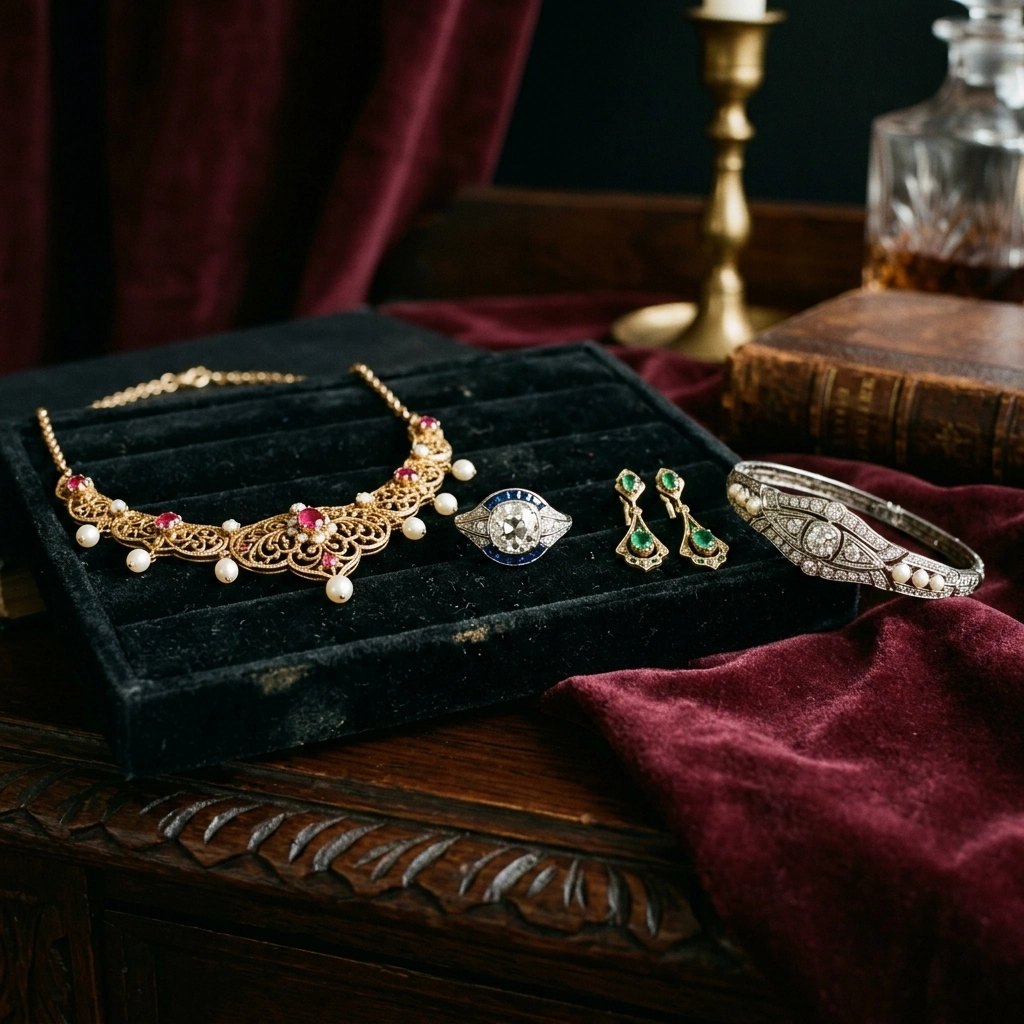
Estate Jewelry Knoxville TN: 10 Things You Should Know Before Your First Purchase
1. Metal Content Verification
Identify the metal content of the jewelry piece. Locate the metal stamp on the object. Look for the mark on the inner circumference of the ring. Look for the mark on the clasp of the necklace. Look for the mark on the back of the pendant. Look for the mark on the post of the earring. Verify the 14K mark for gold. Verify the 18K mark for gold. Verify the 925 mark for sterling silver. Use the following link for sterling silver reference: https://blairhouseantiquesknoxville.com/antique-jewelry/sterling-jewlery/attachment/1.
Verify the PLAT mark for platinum. Metal stamps indicate the purity of the material. Metal stamps indicate the authenticity of the item. Fine jewelry requires these marks. Hallmarks provide information on the origin. Hallmarks provide information on the manufacturer. Examine the marks with a magnification tool. Ensure the marks are legible. Ensure the marks are consistent with the age of the piece. The metal quality determines the base value.

2. Structural Integrity Analysis
Inspect the physical condition of the item. Check for scratches on the metal surface. Check for dents in the metal frame. Check for missing stones in the setting. Check for loose stones in the setting. Shake the piece near the ear to detect movement. Movement indicates loose components. Movement indicates the need for repair. Examine the prongs. The prongs hold the stones. The prongs must be intact. The prongs must not be worn down.
Examine the solder joints. Check for repairs. Check for discoloration at the joints. Discoloration indicates a previous fix. Check the hinges on bracelets. Check the catches on brooches. The mechanisms must function. The mechanisms must secure the piece. Structural integrity affects the long-term use of the object. Condition status is a primary factor in the acquisition process for vintage jewelry knoxville tn.
3. Gemstone Grading Standards
Apply the 4 Cs to the gemstones. Categorize the color. Categorize the cut. Categorize the clarity. Categorize the carat weight. Use the GIA standards for evaluation. Identify the diamond. Identify the sapphire. Identify the ruby. Identify the emerald. Use the following link for diamond reference: https://blairhouseantiquesknoxville.com/antique-jewelry/diamond-jewlery/11209516_900828373305532_3396514357937994837_n.
The color scale ranges from D to Z. The cut grade affects the light return. The clarity grade identifies internal inclusions. The carat weight measures the mass. Ask for the technical specifications of each stone. Measure the dimensions of the stone. Verify the type of gemstone. Synthetic stones exist in estate pieces. Natural stones have different value parameters. Gemstone quality is a technical requirement for high-value purchases.

4. Vendor Selection Protocol
Select a reputable dealer for the purchase. Visit an antique store knoxville tn. Visit Blair House Antiques at the historic 1920s location. Use the following link for location information: https://blairhouseantiquesknoxville.com/antique-store/antiques-1. The dealer must provide technical expertise. The dealer must have certified gemologists on staff. The staff vets the inventory. The staff verifies the history of the items.
Research the history of the business. Confirm the presence of a physical storefront. A physical storefront provides accountability. A physical storefront allows for hands-on inspection. Ask the dealer about the sourcing process. Ask the dealer about the return policy. Reputable dealers provide written descriptions. Reputable dealers provide guarantees of authenticity. Trust is a system requirement for estate jewelry transactions.
5. Documentation and Certification Requirements
Request the documentation for the jewelry piece. Request a receipt. The receipt must include a technical description. The description must include the metal type. The description must include the gemstone type. The description must include the approximate age. Request a grading report for diamonds. Request an identification report for colored stones. Use an independent laboratory for verification.
The GIA Gem Trade Laboratory is the standard. The report provides objective data. The report confirms the stone is natural. The report confirms the stone is not treated. Gather certificates from former owners. Gather photographs from former owners. Documentation supports the provenance of the item. Documentation increases the resale value. Documentation provides a record for insurance purposes.
6. Optical Inspection Tools
Use a jeweler’s loupe for the inspection. A 10-power magnifier is the standard tool. Use the loupe to see the metal stamps. Use the loupe to see the stone inclusions. Use the loupe to see the prong condition. Check the surface of the stones for abrasions. Check the facets of the stones for chips. Inspect the back of the jewelry piece.
Good fabrication is visible on the back. The back should be finished. The back should be clean. Look for dirt under the stones. Look for grime in the settings. Use the tool to identify hallmarks that are not visible to the eye. Use the tool to identify laser inscriptions on diamonds. Optical inspection is a mandatory step in the verification process.

7. Manufacturing Method Identification
Identify the method used to manufacture the piece. Distinguish between handmade items and cast items. Antique jewelry often features handmade components. Examine the fine details. Look for evidence of die-striking. Look for evidence of hand-engraving. Hand-engraving has variations. Machine-engraving is uniform. Identify the period of manufacture.
The Victorian period uses specific motifs. The Art Deco period uses geometric shapes. The Edwardian period uses platinum and lace patterns. Identify the age through the construction techniques used. Use the following link for antique collectibles reference: https://blairhouseantiquesknoxville.com/antique-collectibles/antiques/2-2. Knowledge of manufacturing methods prevents the purchase of modern reproductions.
8. Selection and Wearability Criteria
Evaluate the utility of the jewelry. Determine if the piece is for daily use. Determine if the piece is for special events. Try the jewelry on. Check the fit of the ring. Check the length of the necklace. Check the weight of the earrings. The item must be functional. The item must be comfortable. Select categories for a collection.
Build a collection of sterling silver. Build a collection of gold rings. Focus on pieces that fulfill a specific need. Estate jewelry has character. Estate jewelry has history. The physical application of the jewelry is a consideration. Ensure the piece matches the intended use. Wearability is a technical status for the user.
9. Information Acquisition and Research
Acquire information before the purchase. Read reference books on estate jewelry. Research the current market prices. Compare items in different stores. Do not buy the first item without data. Look for similar items online. Use the following link for sterling inventory: https://blairhouseantiquesknoxville.com/antique-collectibles/sterling/11329827_853367998051570_672793124285954855_n.
Understand the terminology. Understand the materials. Research the specific brands or makers. Some makers have higher value. Marks like Tiffany & Co or Cartier increase the price. Knowledge is a tool for the buyer. Research reduces the risk of overpayment. Research ensures the acquisition of a legitimate piece of estate jewelry knoxville tn.

10. Professional Valuation Services
Obtain a professional appraisal for the item. Use a certified appraiser in Knoxville TN. The appraisal provides a formal value. The appraisal is necessary for insurance coverage. The appraiser identifies the materials. The appraiser identifies the age. The appraiser identifies the replacement cost. Gather all documents for the appraiser.
Gather the grading reports. Gather the original receipts. Professional evaluation confirms the findings of the initial inspection. Professional evaluation provides a legal record of the asset. Appraisals should be updated every three to five years. Market values change over time. Valuation services are the final step in the purchase protocol.
The acquisition of estate jewelry requires technical knowledge. Follow the 10 points for a successful purchase. Visit Blair House Antiques for inventory options. Verify the metal. Inspect the condition. Grade the stones. Select the dealer. Obtain the documents. Use the tools. Identify the methods. Check the wearability. Conduct the research. Get the appraisal. These steps complete the procurement process for estate jewelry knoxville tn.
