
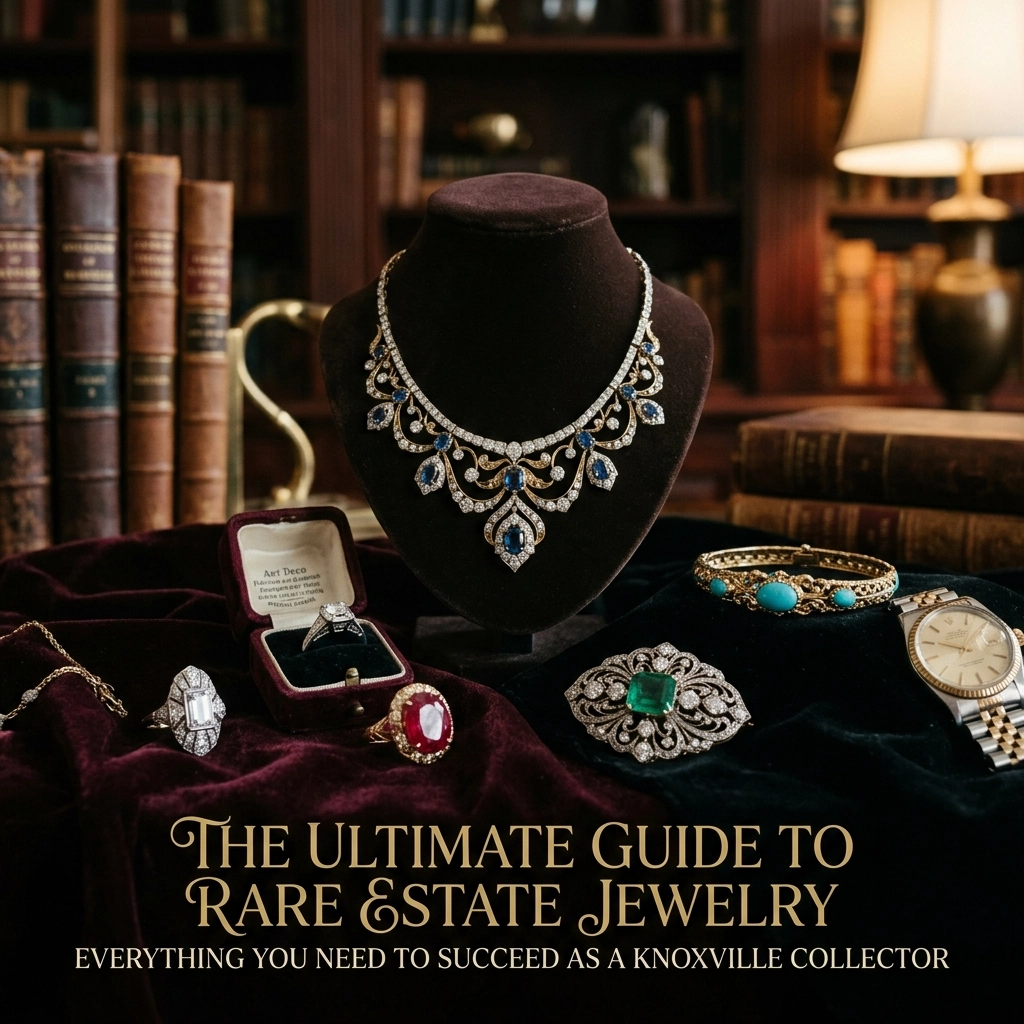
The Ultimate Guide to Rare Estate Jewelry: Everything You Need to Succeed as a Knoxville Collector
Estate Jewelry Identification and Classification
Estate jewelry designates any jewelry item previously owned. This classification excludes newly manufactured products. The category includes estate jewelry knoxville tn from various chronological periods. Collectors must distinguish between antique, vintage, and contemporary estate pieces. Antique jewelry is defined as items exceeding 100 years of age. Vintage jewelry designates items between 20 and 100 years of age.
Classification requires analysis of manufacturing techniques. Classification requires analysis of materials. Classification requires analysis of hallmarks. Successful collection development depends on accurate classification. Accuracy prevents financial loss during acquisition. Accuracy ensures the integrity of the collection.
Georgian Era Specifications (1714–1837)
The Georgian era covers the reigns of four British kings named George. Jewelry from this period is rare. Most pieces were dismantled for parts in later eras. Georgian jewelry is handcrafted. No mass production existed during this period.
Technical characteristics of Georgian jewelry:
- Metal: 18k gold or higher. Silver-topped gold for diamond settings.
- Stones: Rose cut diamonds. Old mine cut diamonds.
- Settings: Enclosed back settings. Foil backing to enhance stone brilliance.
- Motifs: Flora. Fauna. Bows. Feathery scrolls.
- Closures: Simple C-clasp for brooches. Toggle closures for necklaces.
Collectors should avoid exposing foil-backed stones to water. Water damages the foil. Damaged foil obscures the stone. Protect Georgian items from moisture.

Victorian Period Technical Data (1837–1901)
The Victorian period aligns with the reign of Queen Victoria. It is divided into three distinct stages. Each stage features specific technical requirements.
- Romantic Period (1837–1860): Themes include nature and love. Gold is the primary metal. Common motifs: Serpents. Hearts. Lockets.
- Grand Period (1860–1885): Also known as the Mourning Period. Themes include death and remembrance. Materials: Jet. Onyx. Deep red garnets. Gold.
- Aesthetic Period (1885–1901): Shift toward lighter designs. Use of smaller gemstones. Popular stones: Sapphires. Peridots. Spinels.
Victorian jewelry often features hallmarks. Hallmarks indicate metal purity. Hallmarks indicate the year of manufacture. Check hallmarks on all vintage jewelry knoxville tn from this period.
Edwardian Period Structural Overview (1901–1915)
The Edwardian period utilizes platinum. Platinum allows for delicate designs. Designs resemble lace or embroidery.
Technical components of Edwardian jewelry:
- Metal: Platinum. 18k yellow gold with platinum overlays.
- Technique: Milgrain. This creates tiny beads of metal along edges.
- Stones: Diamonds. Pearls. Diamond jewelry from this era focuses on white-on-white aesthetics.
- Motifs: Garlands. Ribbons. Tassels. Laurel wreaths.
Edwardian jewelry requires structural inspection. Platinum wirework is thin. Thin wirework is susceptible to bending. Check for structural integrity. Check for secure stone settings.

Art Deco Design Parameters (1915–1935)
Art Deco jewelry emphasizes geometry. Art Deco jewelry emphasizes symmetry. This period follows World War I.
Technical features of Art Deco pieces:
- Shapes: Triangles. Rectangles. Squares. Ovals.
- Materials: White gold. Platinum. Synthetic rubies. Synthetic sapphires.
- Stones: Emerald cut diamonds. Baguette cut diamonds. Gemstone jewelry utilizes contrasting colors.
- Aesthetic: Industrial. Streamlined. Bold.
Art Deco is popular among collectors at any antique store knoxville tn. High demand increases price. High demand increases the prevalence of reproductions. Verify authenticity through tool mark analysis. Verify authenticity through material testing.
Maintenance and Care Protocols
Maintenance preserves value. Care prevents physical degradation. Implement the following protocols for estate jewelry.
Cleaning Protocol:
- Use soft brushes.
- Use mild soap.
- Use lukewarm water.
- Do not use ultrasonic cleaners for organic stones (pearls, opals, turquoise).
- Do not use ultrasonic cleaners for foil-backed stones.
Storage Protocol:
- Store items separately.
- Use soft fabric pouches.
- Use lined jewelry boxes.
- Separate diamonds from softer stones to prevent scratching.
- Maintain a consistent climate. Excessive heat damages stones. Excessive humidity tarnishes metals.
Professional Inspection Protocol:
- Inspect prongs annually.
- Inspect clasps annually.
- Inspect restringing for pearls every two years.
- Perform inspections at a trusted antique store knoxville tn.

Acquisition Strategies for Knoxville Collectors
Successful acquisition requires research. Successful acquisition requires local networking. Follow these steps for collection growth.
- Define Scope: Select a specific era. Select a specific material. Focus improves expertise. Focus improves value assessment.
- Verify Provenance: Request documentation. Request original boxes. Request appraisals. Documentation establishes history. Documentation establishes authenticity.
- Inspect Physical Condition: Use a jeweler's loupe (10x magnification). Check for solder marks. Check for replaced stones. Check for thinning bands.
- Analyze Hallmarks: Identify the maker's mark. Identify the purity mark. Identify the assay office mark.
Collectors in Knoxville should visit Blair House Antiques. Blair House Antiques provides a curated environment. Blair House Antiques provides expert staff. Visit the antique store knoxville tn for inventory updates.
Valuation Metrics for Rare Jewelry
Value is determined by four primary factors.
- Rarity: Lower supply increases value.
- Condition: Original condition maximizes value. Minimal repairs maximize value.
- Material Content: Weight of gold. Quality of gemstones. Presence of platinum.
- Provenance: Documented ownership history increases value.
Analyze market trends for estate jewelry knoxville tn. Use historical auction data. Use current retail data. Update appraisals every three years for insurance purposes.

The Blair House Antiques Collection Process
Blair House Antiques operates as a specialized antique store knoxville tn. The store inventory includes diverse estate pieces. The store inventory includes sterling jewelry. The store inventory includes fine antiques.
Systematic inventory management:
- Item sourcing: Local estates. Private collections.
- Item authentication: Visual inspection. Chemical testing.
- Item curation: Selection based on historical significance. Selection based on aesthetic quality.
- Item display: Controlled environment. Secure cases.
Blair House Antiques maintains high standards. Blair House Antiques prioritizes customer education. Review the collector's guide for additional technical information.
Conclusion of Technical Guidelines
Collecting requires discipline. Collecting requires technical knowledge. Follow the era specifications. Follow the maintenance protocols. Source items from reputable locations like Blair House Antiques. Accurate identification ensures a successful collection. Frequent inspection ensures long-term preservation. Contact Blair House Antiques for professional assistance. Visit the blog for further updates on estate jewelry.

