
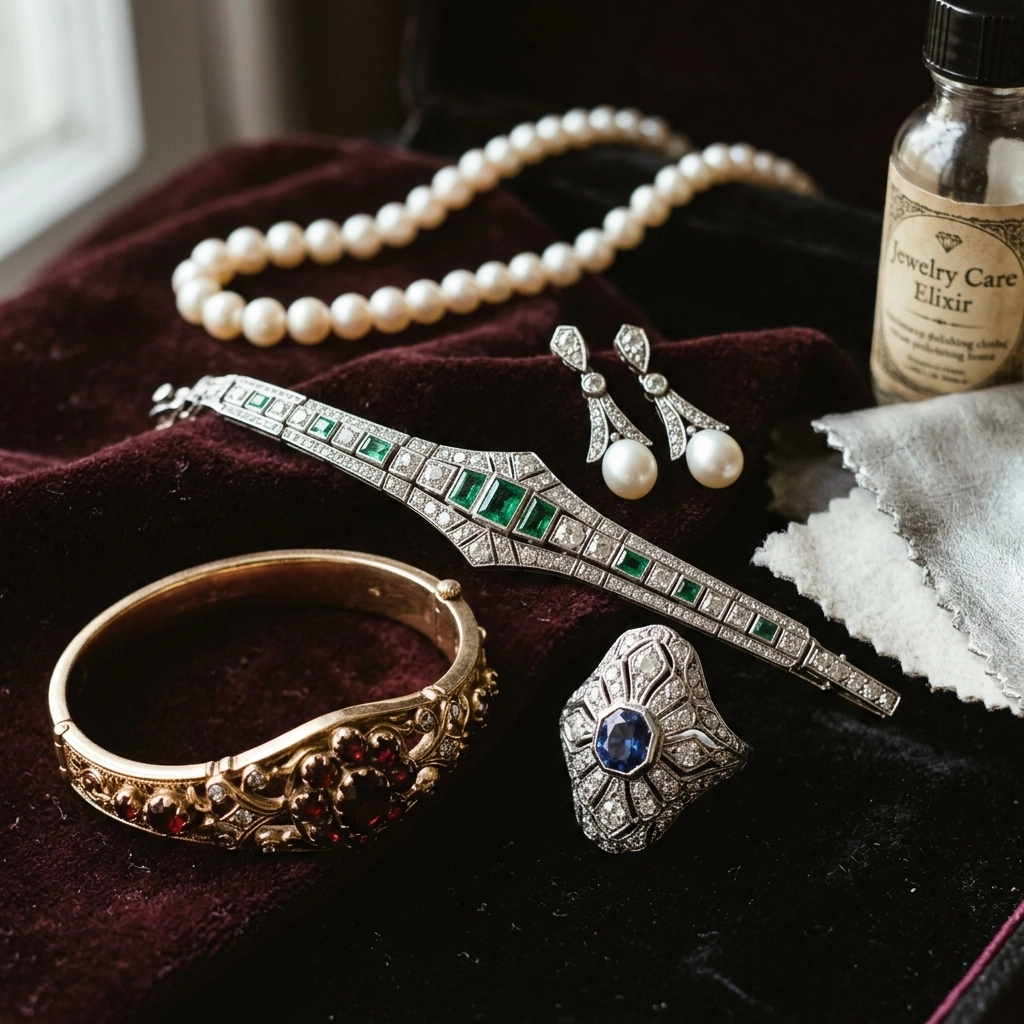
The Ultimate Guide to Estate Jewelry Knoxville TN: Caring for Victorian to Art Deco Treasures
Estate jewelry Knoxville TN collections represent historical periods of design and metallurgy. These items originate from specific eras including Georgian, Victorian, Edwardian, and Art Deco. Owners of vintage jewelry Knoxville TN must understand the technical requirements for preservation. Historical pieces possess unique chemical and physical properties. Proper maintenance ensures the structural integrity of these assets.
Georgian Era Jewelry Specifications (1714–1837)
Georgian jewelry dates from 1714 to 1837. Manufacturers utilized 18-karat gold and silver. Silver settings often feature gold backings. This technique prevents metal oxidation from staining clothing. Hand-hammered metals are standard for this period.
Closed-back settings define Georgian era construction. Jewelers placed metal foil behind gemstones. The foil increases light reflection. Moisture causes foil degradation. Water contact creates permanent discoloration. Owners must avoid liquid immersion. Use dry microfiber cloths for surface debris removal.
Historical items from this era require climate-controlled environments. High humidity levels damage foil-backed stones. Inspect settings for metal fatigue. Georgian pieces utilize delicate hinges and clasps. Regular mechanical evaluations prevent gemstone loss.

Victorian Era Jewelry Specifications (1837–1901)
Victorian jewelry spans the reign of Queen Victoria from 1837 to 1901. This era contains three distinct sub-periods. These are the Romantic, Grand, and Aesthetic periods.
The Romantic Period (1837–1861) features yellow gold. Common motifs include botanical and zoological forms. Serpent designs represent eternal love. The Grand Period (1861–1880) involves mourning jewelry. Materials include jet, onyx, and black enamel. The Aesthetic Period (1880–1901) utilizes smaller scales. Diamonds and feminine designs characterize this sub-period.
Owners can view authentic examples of these styles at an antique store Knoxville TN. Victorian jewelry often features complex engravings. These recesses collect particulate matter. Use a soft-bristled brush for cleaning. Apply minimal pressure. Excessive force damages gold surfaces.
Edwardian Era Jewelry Specifications (1901–1915)
The Edwardian era covers 1901 to 1915. This period marks the introduction of platinum in jewelry manufacturing. Platinum allows for intricate filigree work. Designs emphasize lightness and lace-like patterns.
Common gemstones include pearls and diamonds. Diamonds often feature "Old European" or "Rose" cuts. You can examine diamond cut variations in our diamond jewelry gallery. Platinum is a durable transition metal. It resists tarnish and corrosion. However, the delicate filigree is susceptible to mechanical stress.
Pearls require specific care protocols. They are organic gems with a Mohs hardness of 2.5 to 4.5. Acidic substances damage pearl nacre. Do not apply perfumes or hairsprays while wearing pearls. Clean pearls with a damp, lint-free cloth. Store pearls separately from harder gemstones to prevent surface scratching.

Art Deco Era Jewelry Specifications (1920–1935)
Art Deco jewelry originated between 1920 and 1935. This period emphasizes geometric symmetry and industrial influence. Manufacturers used platinum and white gold.
Gemstone choices include emeralds, sapphires, rubies, and onyx. Designers utilized calibré cut stones. These stones fit precisely into geometric channels. Art Deco pieces are popular as estate jewelry Knoxville TN assets.
Maintenance of Art Deco jewelry requires prong inspections. Symmetrical layouts depend on every stone remaining in position. Emeralds in Art Deco settings are fragile. They often contain natural inclusions called "jardin." These inclusions make emeralds sensitive to temperature changes. Do not use ultrasonic cleaners for emeralds. Vibrations cause stone fractures.
Metal Maintenance Protocols
Estate jewelry Knoxville TN utilizes various metals. Each metal reacts differently to environmental factors.
Sterling Silver
Sterling silver contains 92.5 percent silver and 7.5 percent other metals. It oxidizes when exposed to sulfur in the air. Tarnish appears as dark surface film. Use specialized polishing cloths for silver. Avoid chemical dips for antique silver. Dips remove intentional oxidation in recessed designs. View sterling jewelry examples for reference.
Gold
Antique gold varies in purity. Common alloys include 9k, 10k, 14k, and 18k. Lower karat gold is harder. Higher karat gold is softer and more yellow. Gold does not tarnish. It does accumulate skin oils and dirt. Use mild dish soap and warm water for cleaning. Rinse thoroughly. Dry with a soft cloth.
Platinum
Platinum is a dense and heavy metal. It does not lose volume when scratched. Scratches move the metal aside, creating a patina. Professional polishing restores the original shine. Many collectors prefer the antique patina on Edwardian and Art Deco pieces.

Gemstone Care Procedures
Gemstone hardness determines cleaning methods. The Mohs scale measures mineral hardness from 1 to 10.
- Diamonds (Hardness 10): Diamonds are highly durable. They attract grease and oils. Clean with ammonia-based solutions or mild detergents. Use a soft brush to reach under the stone.
- Sapphires and Rubies (Hardness 9): These corundum minerals are stable. They withstand most cleaning solutions. Warm soapy water is the safest method.
- Opals (Hardness 5.5 to 6.5): Opals contain 3 to 21 percent water. Dehydration causes "crazing" or surface cracking. Do not store opals in extremely dry environments. Avoid sudden temperature shifts.
- Turquoise (Hardness 5 to 6): Turquoise is porous. It absorbs oils and chemicals. Absorption causes color changes. Clean only with water.
Storage Requirements for Vintage Jewelry
Storage prevents physical damage and chemical reactions. Use a jewelry box with individual compartments. Harder stones scratch softer materials. Diamonds scratch gold, silver, and other gemstones.
Maintain a stable temperature. Avoid storage near heating vents or in direct sunlight. Sunlight fades certain gemstones like amethyst and smoky quartz. Use moisture-wicking packets in storage areas. This reduces humidity levels.
For high-value items, utilize a safe or deposit box. Ensure the storage environment is non-reactive. Some wooden boxes release acids that tarnish silver. Fabric linings should be cotton or silk.

Professional Maintenance and Inspection
Professional inspection is mandatory for estate jewelry Knoxville TN. Visit an antique store Knoxville TN for expert evaluation. Professional services include:
- Prong Retipping: Jewelers add metal to worn prongs. This secures the gemstone.
- Stone Tightening: Technicians adjust settings to eliminate stone movement.
- Restoration: Experts repair filigree or replace missing period-correct stones.
- Ultrasonic Cleaning: Professionals use specialized equipment for eligible items.
Inspect jewelry every six months. Check for loose stones by gently tapping the item near your ear. A rattling sound indicates a loose setting. Discontinue use immediately until a professional repair is completed.
Collecting Estate Jewelry in Knoxville
Knoxville provides resources for antique jewelry collectors. Blair House Antiques maintains a curated inventory of period pieces. Authenticity is a primary concern for collectors. Look for hallmarks on the interior of rings or on clasps. Hallmarks indicate metal purity and manufacturer identity.
The market for vintage jewelry Knoxville TN remains active. Art Deco engagement rings are high-demand items. Victorian lockets and Edwardian brooches are significant for collectors. Understanding the history and care of these items increases their longevity.
Collectors must document their inventory. Keep detailed records of purchase dates and appraisals. Photograph each item from multiple angles. This documentation assists in insurance claims and historical tracking.
Blair House Antiques offers a professional environment for acquisition. The inventory includes items from diverse eras. Expert staff provide guidance on era identification and material composition. Proper care preserves the cultural and financial value of estate jewelry. Implementation of these protocols ensures these treasures remain intact for future generations.

